

Cost Management Report
July-September 2026 issue.
「Construction Costs Soar Higher on Middle East Tensions」
Scroll Down
This report has been prepared by the Cost Management Group of the Architectural Design Dept. of Nikken Sekkei Ltd for information purposes. While the information herein is current as of the date of publication, its completeness is not guaranteed. The contents are subject to change without notice. Unauthorized reproduction of this report is prohibited.
Construction Costs Soar Higher on Middle East Tensions
Major general contractors’ profit margins on completed projects exceed initial forecasts
Profit margins on completed projects continue to rise for equipment subcontractors
Figs. 1–3. Trends in Profit Margins on Completed Projects
-
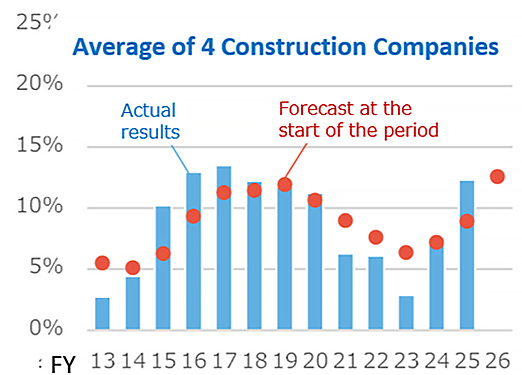 Fig. 1: Avg. of 4 Major General Contractors
Compiled from each company’s financial statements.
-
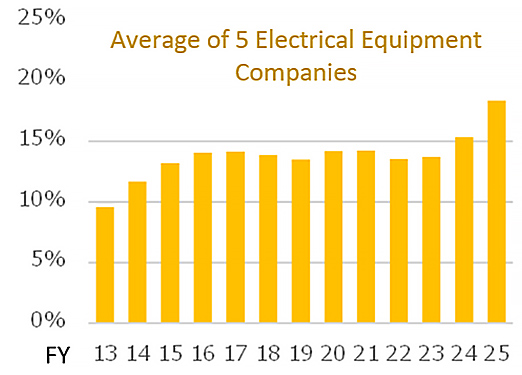 Fig. 2: Avg. of 5 Major Electrical Subcontractors
Compiled from each company’s financial statements.
-
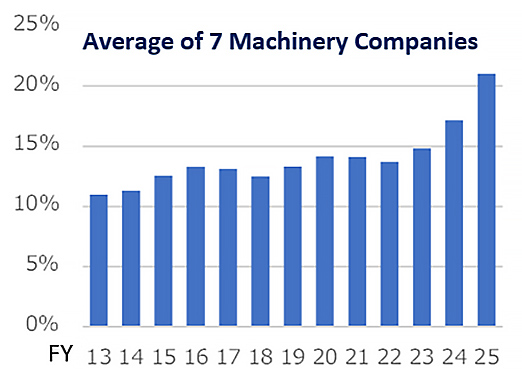 Fig. 3: Avg. of 7 Major Machinery Subcontractors
Compiled from each company’s financial statements.
Middle East tensions surface in construction prices
Despite some situational easing, estimated price impacts remain uncertain
-
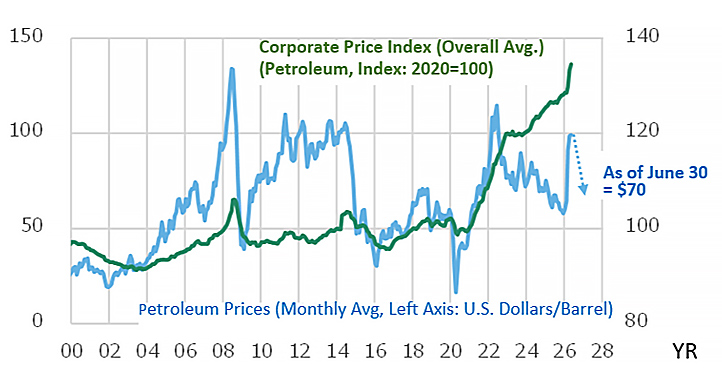 Fig. 4: Trends in Crude Oil Prices and the Corporate Price Index
Compiled from The World Bank’s Commodity Prices and the Bank of Japan’s Corporate Goods Price Index. -
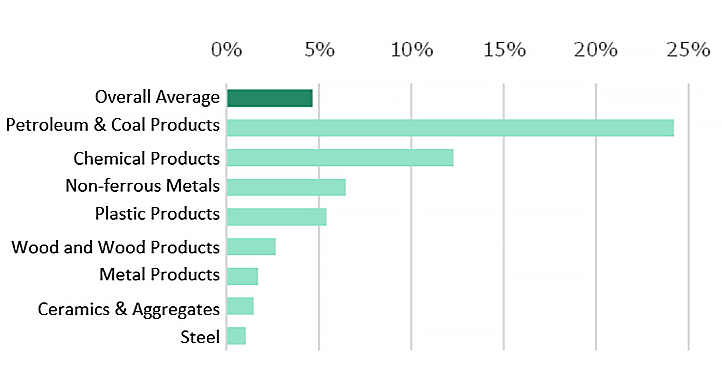 Fig. 5: Rate of Increase in the Corporate Price Index Before and After the Middle East Situation Deterioration
Compiled from the Bank of Japan’s Corporate Goods Price Index. Comparison of the latest figure (May 2026) with February 2026.
Construction Prices Return to the 2% Level vs. the Previous Quarter
Nikken Sekkei Standard Building Price Index (NSBPI)*5
-
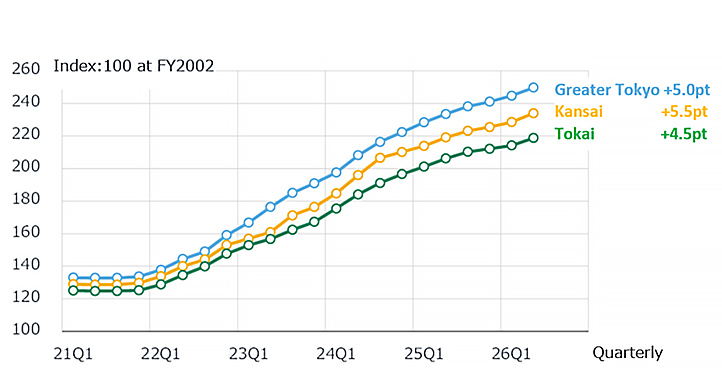 Fig. 6: Change in NSBPI
-
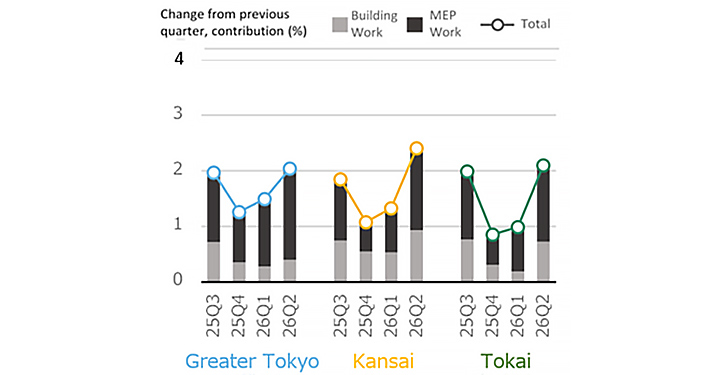 Fig. 7: Percent Change in NSBPI & Building Work, MEP Work Contributions
Ready-mix concrete prices rise in Osaka; Tokyo to raise prices next year
Perceived labor shortages remain high compared to other industries
-
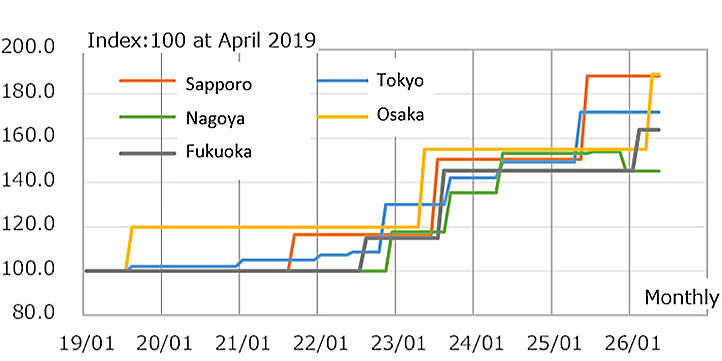 Fig. 8: Trends in Ready-Mix Concrete Prices
Compiled from the Economic Research Association’s Cost Estimation Data.
-
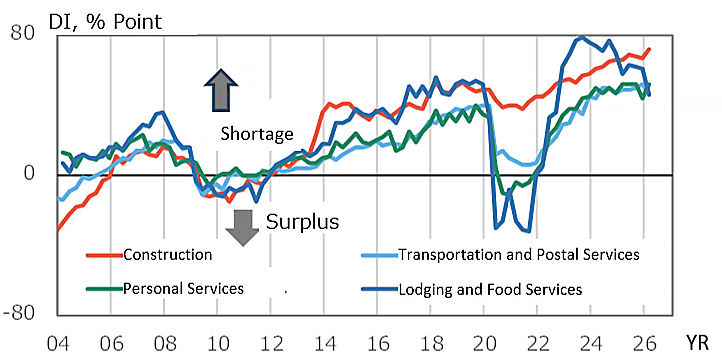 Fig. 9: Trends in the Employment Outlook DI (Large Firms)
Compiled from the Bank of Japan’s Short-Term Economic Outlook Survey of Enterprises.
*1: Obayashi Corporation, Kajima Corporation, Shimizu Corporation, and Taisei Corporation.
*2: Based on each company’s financial statements for the fiscal year ending March 2026.
*3: Five companies: Kandenko, Kinden, Kraftia, Toenec, and Yurtec.
*4: Seven companies: Asahi Kogyosha, Sanki Engineering, Shin Nippon Air Technologies, Shinryo, Taikisha, Dai-dan, and Takasago Thermal Engineering.
*5: Nikken Sekkei Standard Building Price Index (NSBPI): An index calculated independently by Nikken Sekkei that tracks fluctuations in construction prices. Using a standard rental office as a quantity model,it calculates construction costs that reflect actual market prices obtained through proprietary surveys and indexes them. The first quarter covers January through March, the second quarter April through June, the third quarter July through September, and the fourth quarter October through December.*This report is based on information as of noon on June 30, 2026.