

11-2 To Russia, With Love from Japan —St. Petersburg, “WARM CITY”—
The historic district, including the Hermitage Museum, and its associated buildings are designated as a World Heritage Site. The short summers, with their beautiful white nights, and the harsh, long winters have nurtured Russian literature—including the works of Dostoevsky—and Russian music, such as that of Tchaikovsky.Located at the mouth of the Neva River delta and crisscrossed by a network of canals, the city of St. Petersburg—affectionately known as “Piter”—is a source of pride for the Russian people.
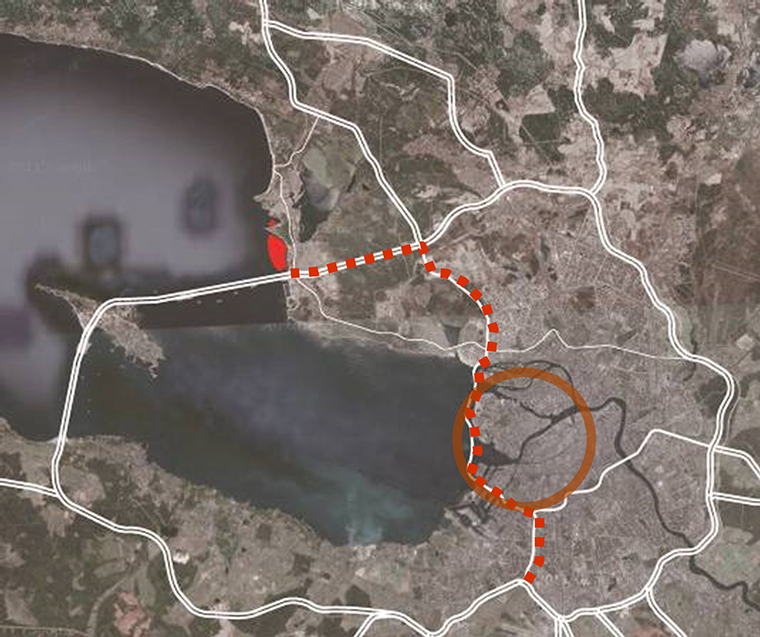 11-9 The St. Petersburg metropolitan area, facing the Gulf of Finland at the eastern end of the Baltic Sea. The circle indicates the downtown area, which contains a cluster of historic buildings.
The red mark indicates WARM CITY. The red dotted line shows the access route.
How the Framework of “WARM CITY” Came to Be
A ring road encircles the city’s bow-shaped area, which wraps around the eastern tip of the Gulf of Finland. At the northern end of this ring road, where it meets the Gulf of Finland, “WARM CITY” is being planned as the new central business district of the St. Petersburg metropolitan area.This area is located approximately 20 km northwest of the city center and is currently a traditional resort district.
This new city, designed to incorporate a diverse range of urban functions, is planned as a long, north-south reclamation project on marshland. It is projected to have a resident population of approximately 50,000 and attract about 30,000 day visitors daily for business and tourism.Furthermore, various cutting-edge urban development techniques have been incorporated throughout the new city to realize the comfort of a new lifestyle and the appeal of a tourist resort.
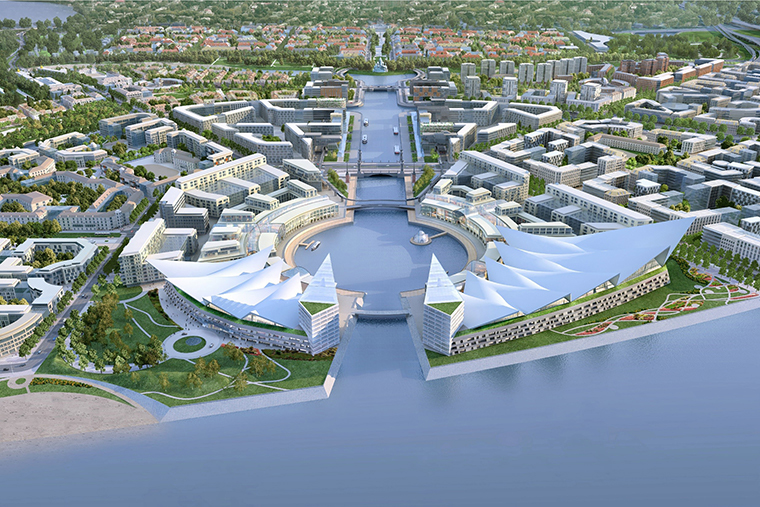 11-10 The Festival Core, symbolized by the Grand Canal, serves as the heart of “WARM CITY,” a resort-style multifunctional mixed-use city.
During the summer, it can be accessed by speedboat from the Water Plaza near the Hermitage Museum.
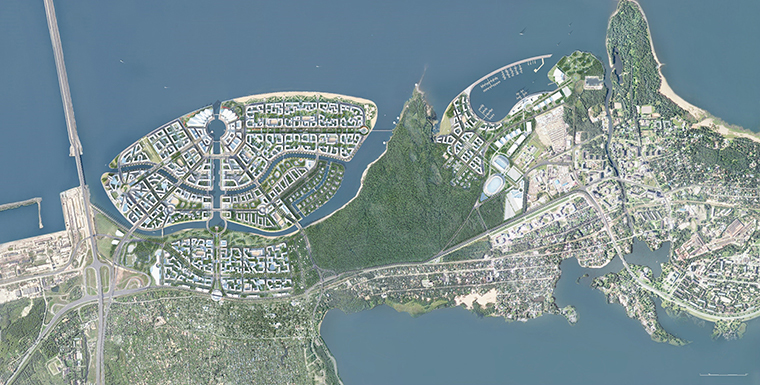 11-11 “WARM CITY” Master Plan (North is on the right)
This new resort city, with the Grand Canal as its central axis, is shaped like a bird taking flight toward the Gulf of Finland.
Warm up the freezing Pieter!
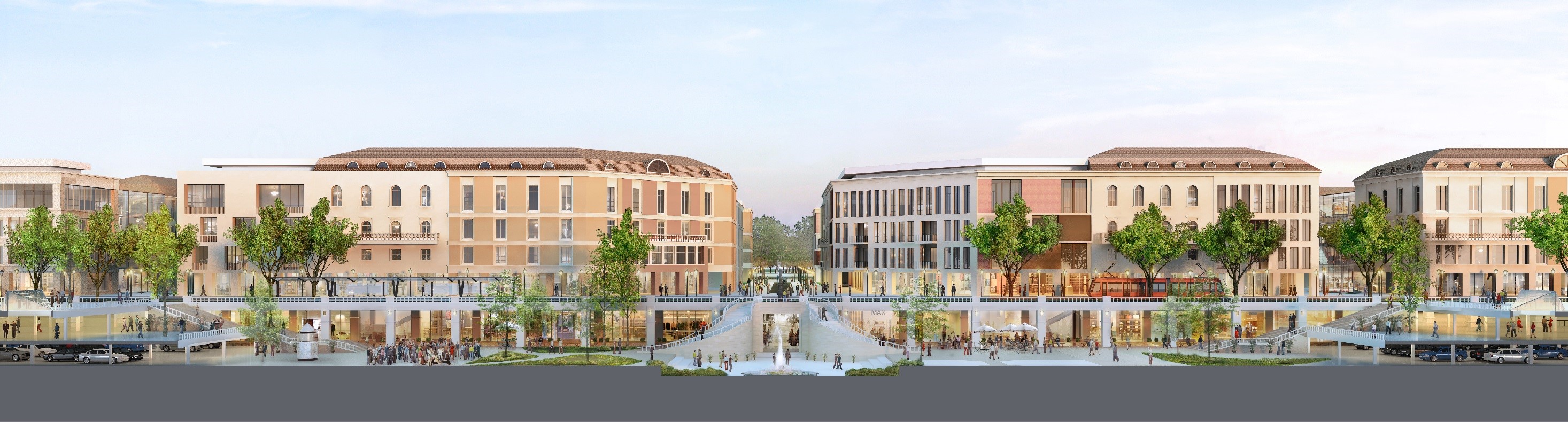 11-12 The pedestrian network on the basement level features sunken gardens at key locations, with everyday grocery stores and restaurants situated to receive natural light. Above ground, a low-impact urban transit system (LRT) operates, and as shown on the left and right sides of the diagram, parking facilities are also located underground.
-
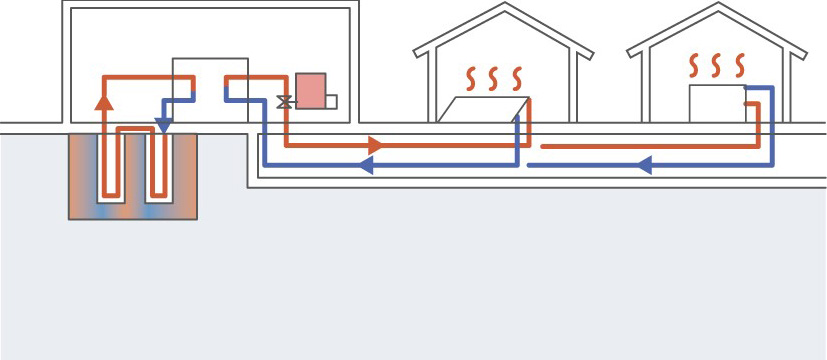 11-13 Winter: A Heating System That Uses Geothermal Energy
-
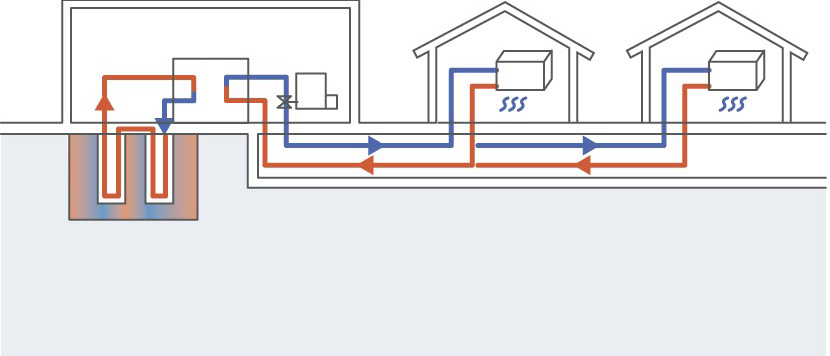 11-14: A System That Uses Geothermal Energy for Air Conditioning in the Summer
Russian culture is epitomized by the arts—literature, music, ballet, fine arts, theater, and architecture—nurtured by the Russian land. Respect for the Russian people, who take pride in their culture, forms the foundation of Nikken Sekkei’s Russian project team.
Meanwhile, Nikken Sekkei’s profile in Russia has been gradually rising. Several projects are underway in Moscow, and urban planning projects are also progressing in Krasnoyarsk, located in central Russia, and in Nizhny Novgorod, 500 km east of Moscow.
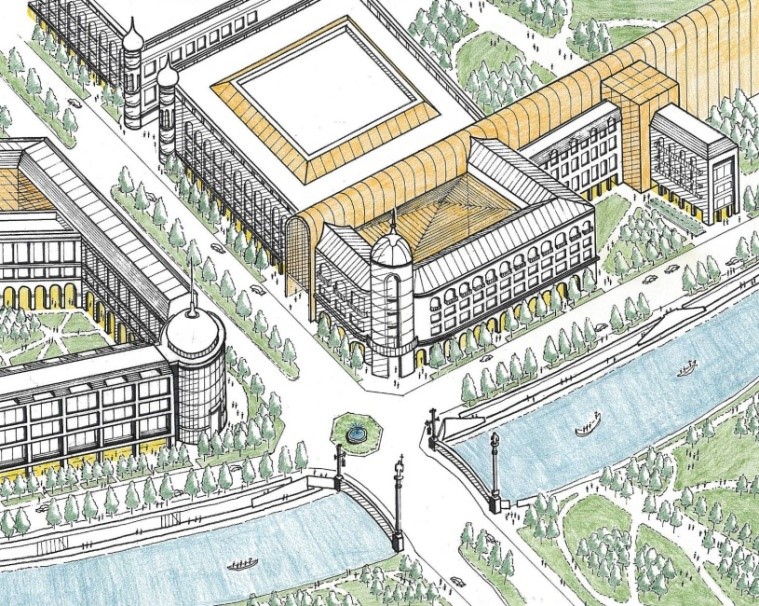
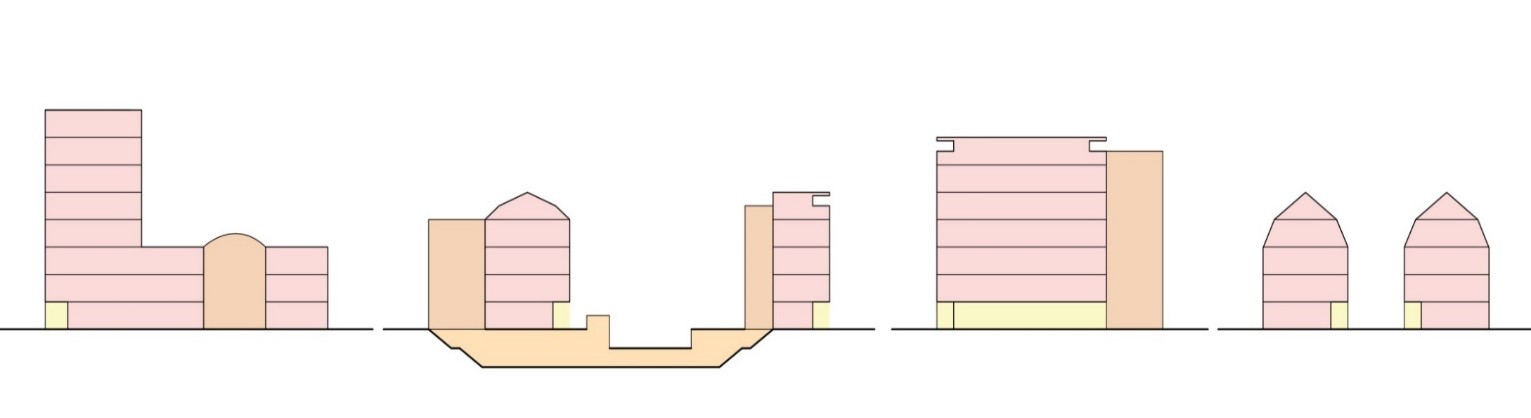 11-15 The underground pedestrian network, which is flooded with natural light, connects to the galleries and atriums incorporated into each building. This system is shown in brown in the figure above and in the brown sections of the schematic diagram below.
Fumio Komachi (2006), *St. Petersburg: The Revived City of Illusions*, Chuko Shinsho
Satoshi Kamata (1996), *St. Petersburg: A City of Chaos and Fantasy*, NHK Publishing