

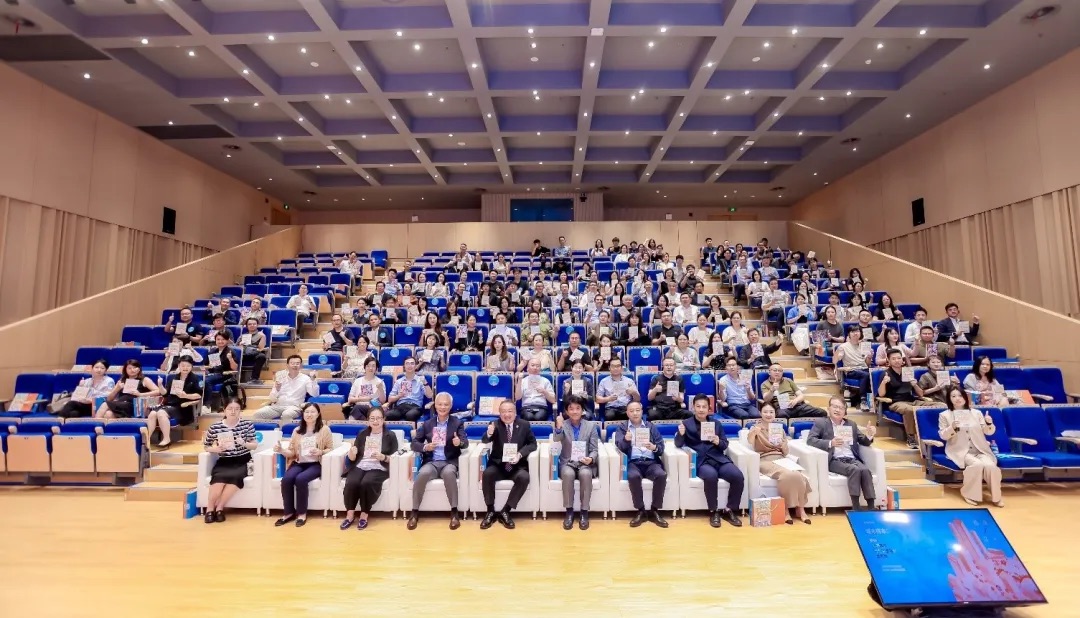
The "West Shore x Shibuya" High-Quality Urban Development Forum and New Book Launch Event concluded successfully.
Against this backdrop, on October 13, Nikken Sekkei held the "High-Quality Urban Development Forum" with the theme "Exploring New Paths for Pluralistic Collaboration Towards High-Quality Urban Development," coinciding with the release of its new book.
We invited many veteran experts and practitioners active in the fields of urban regeneration and urban governance to discuss diverse collaborative pathways and innovative mechanisms for promoting high-quality urban development.
Industry media outlets "DJSER" and "Archdaily" live-streamed the entire event, and the total number of viewers across their respective streaming channels reached 5,225 on the day.
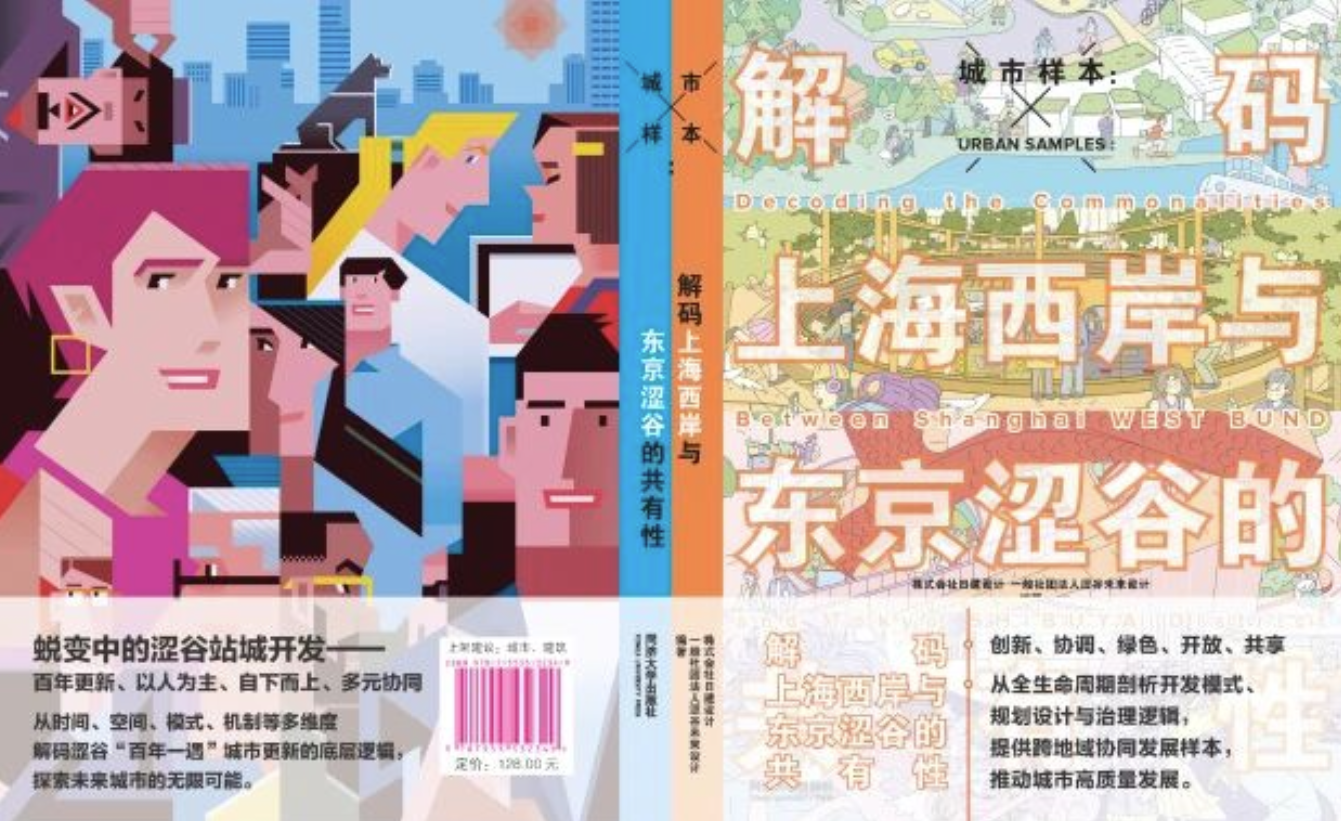 Nikken's new book: "City Samples - Deciphering the Commonalities between Shanghai's West Bank and Tokyo's Shibuya" © Nikken Sekkei
Opening Ceremony Address
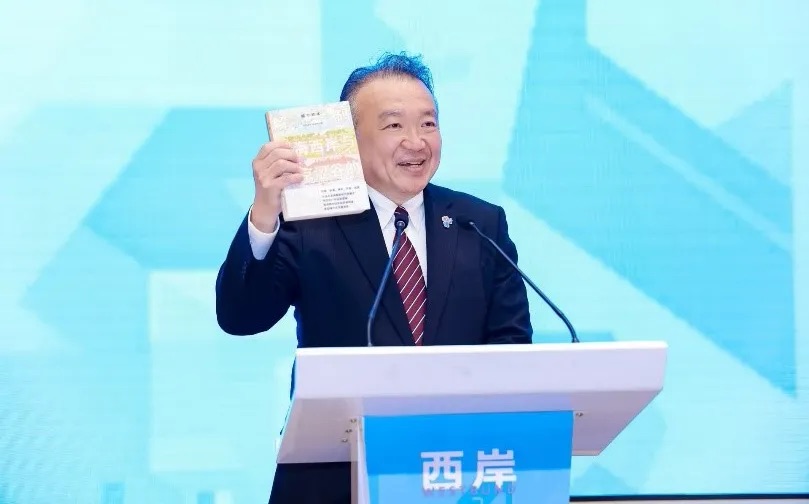 Masaru Okada
Consul General, Consulate-General of Japan in Shanghai
This book praises Nikken Sekkei's interpretation of Shanghai's west bank and Tokyo's Shibuya from the perspective of "sharedness," emphasizing that revitalizing urban functions while preserving context in the regeneration of existing cities is a crucial challenge in the modern era. Using this point as a starting point, the book offers a new model for cities in both Japan and China.
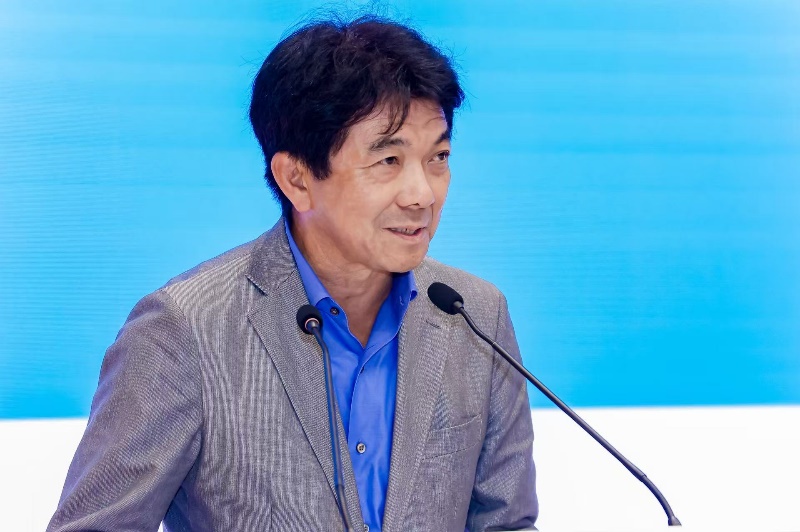 Atsushi Omatsu
Representative Director, Nikken Sekkei, Ltd. President and CEO
This book reviews the development of public spaces in Tokyo, points out that collaboration between the government and private sector is the core logic of urban regeneration, and uses the development of the Shibuya area as an example to demonstrate how integrating diverse public resources and optimizing spatial design can enhance the value of the area.
He said he hopes that his experience in Tokyo will serve as a reference for urban regeneration in China's "stock era" and contribute to the creation of more vibrant urban spaces.
Speaker
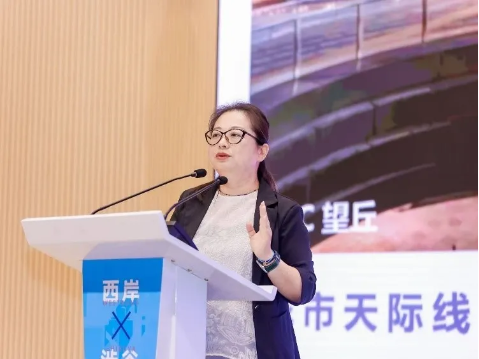 Kao Haka
Deputy General Manager, Shanghai West Bund Development (Group) Co., Ltd.
Lecture topic: "Shared Values in High-Quality Development on Shanghai's West Bank"
Six iconic design features—the urban skyline, urban core, two-story platform, underground commercial area, underground ring road, and low-carbon/sustainable design—all center around the value of "prioritizing the project's benefits," breaking boundaries and reshaping the riverside cityscape.
Over the past decade, Mediaport has adhered to four driving forces: "planning-driven, culturally driven, scientific and technological innovation-driven, and ecosystem optimization," transforming a "rusted area" into a cluster of one million people.
The number of companies located in the area exceeds 5,000, employing 200,000 people, and tax revenue is growing at a double-digit rate on average annually. The number of tourists is expected to surpass 10 million by 2025.
Looking ahead to 2035, Ye Ke-yang has outlined his vision for the next 10 years to build a city of humanities, innovation, and ecology, and to develop it into a leading global city.
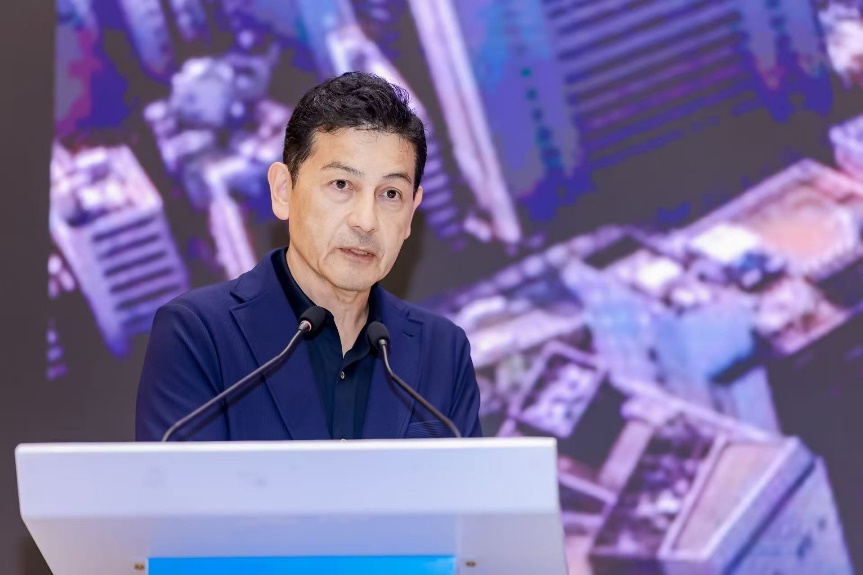 Kiyoshi Okumori
Nikken Sekkei, Ltd. Senior Executive Officer
Lecture Topic: “Shibuya Urban Development—Continuously Evolving Toward the Future”
The problems included severe congestion due to the movement of approximately 2.3 million people, flooding during heavy rains in low-lying areas, traffic disruptions, and the aging of pedestrian overpasses. By leading large-scale infrastructure renovations, we promoted the recovery of land values, offsetting the decline in land prices after the collapse of the bubble economy, and further enhancing urban functions.
In designing public spaces, we emphasized revitalizing citizen interaction through dynamic spaces that link underground and above-ground areas, and enhanced the appeal of the neighborhood by creating landmark hubs such as elevated parks and sky plazas.
In terms of management, Shibuya has innovatively introduced a system of cooperation between the government, private companies, and railway operators, and has established a specialized management association.
By reinvesting operating profits into urban regeneration, Shibuya is being used as a model case for revitalizing the hub of the southwestern Tokyo metropolitan area.
New Book Launch Event
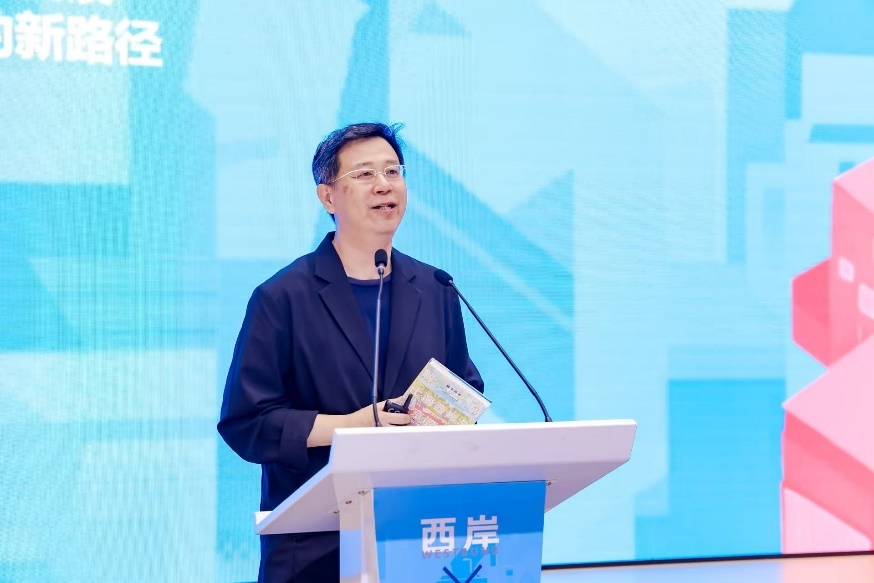 Lu Jong Yong
Chairman of Nikken Sekkei (Shanghai) Consulting Co., Ltd.
The author stated that his new book breaks away from conventional frameworks, adopting a light and stylish magazine format, weaving together small-scale stories and incorporating real-life experiences from participants, thereby providing a "referenceable urban dictionary" for the era of stocks.
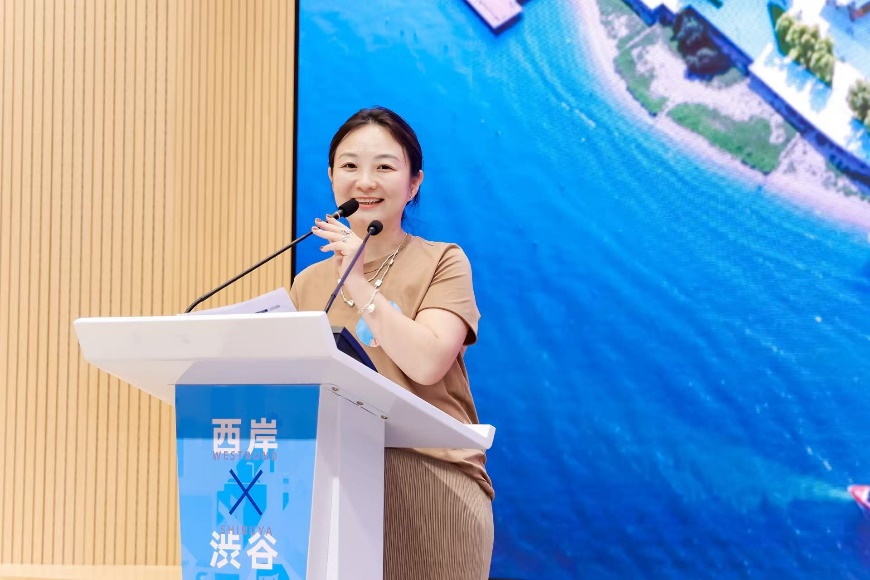 Huangyagun
Co-founder of Huazhimen Capital
Lecture topic: "A Century-Old Cement Factory—From Industrial Heritage to a New Waterfront Life: Exploring the 'Co-creation' of Urban Regeneration"
Through connections via walkways and the renovation of industrial heritage sites (such as the Dock Stage, Dream Factory, and Silo Climbing Center), the aim is to create diverse spaces encompassing entertainment and culture, sustainable fashion, the Dream Factory, micro-vacation leisure, and trendy outdoor activities. As a result, the 100-year-old cement factory has been magnificently transformed into a waterside cultural, tourist, and commercial destination.
In the first year since its launch, the project has hosted over 150 brand events and over 160 public events, increasing its membership by more than 440,000. Moving forward, the project will continue to deepen its concept of a "public living room on the waterfront," promoting the continued expression of the humanistic value and economic vitality of industrial heritage.
Dialogue session
 Fu Xuan
SOM Managing Partner
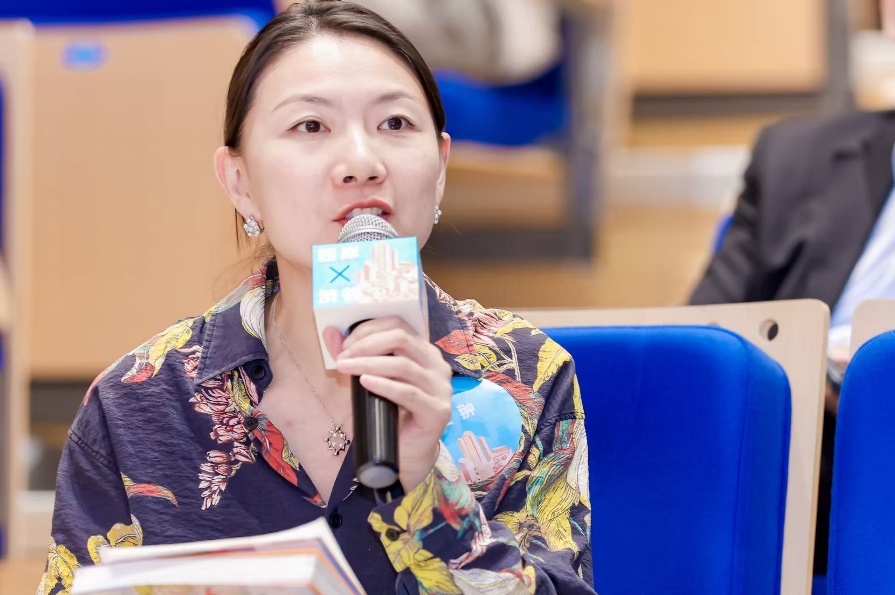 Wangji
Director, Hassell Shanghai Office
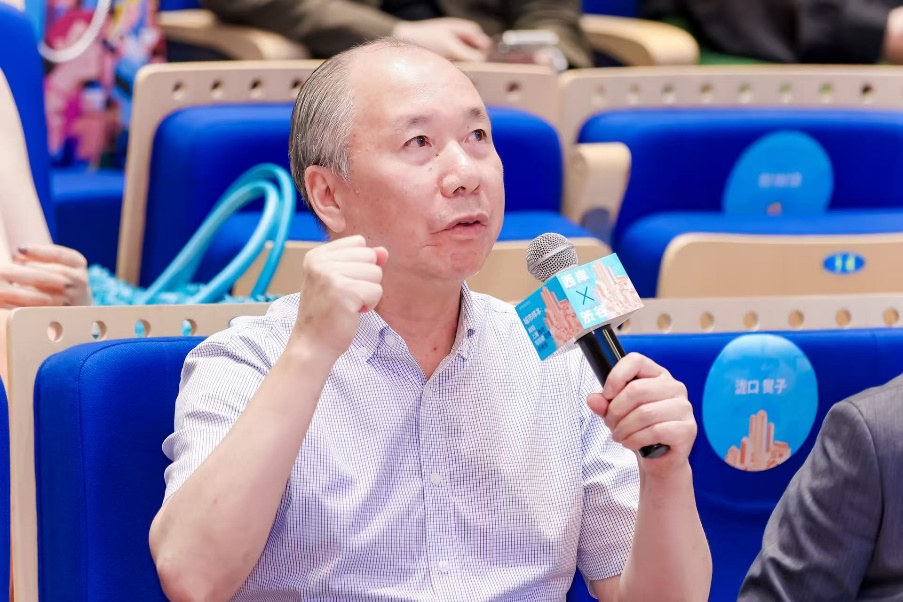 Li Ding
Chief Architect, Shanghai Architectural Design Institute, Huawei Construction Group
Closing remarks
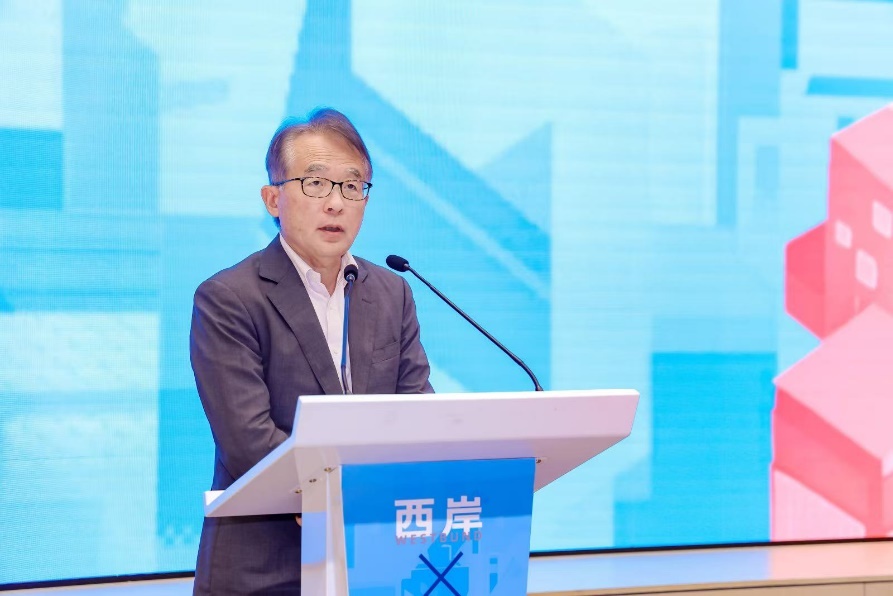 Toru Tanaka
Nikken Sekkei, Ltd. Senior Executive Officer
The photos in this article were provided by Shanghai Shi Photography & Television Culture Communication Co., Ltd.