
Towards a new society brought about by the COVID-19 pandemic;
Safer & More Innovative Workplaces
Senior Executive Officer, Director, Nikken Sekkei Head of Architectural Design Department
Ken Kodama
(Position as of the time of publication)
Ken Kodama
(Position as of the time of publication)
SCROLL DOWN
In Japan, remote work has unexpectedly become widespread, leading some to believe that offices may no longer be necessary. Meanwhile, around the world, some organizations are announcing plans to expand their physical workspace.
When people confront common challenges and acquire new cultures, they have grown closer to one another, shaping teams, organizations, and cities. It seems there will be a renewed need for workplaces that can serve as the starting point for such processes.



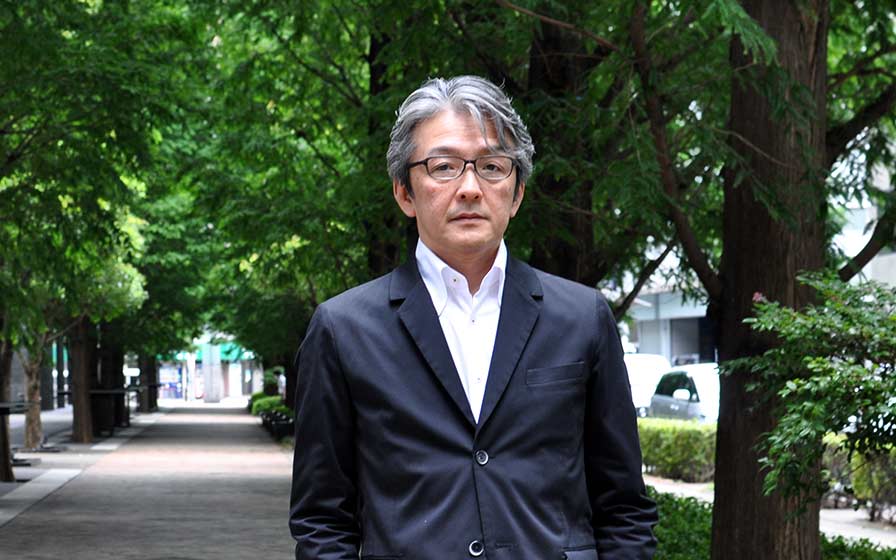 Senior Executive Officer, Director, Nikken Sekkei Head of Architectural Design Department
Ken Kodama
(Position as of the time of publication)
The office is my home.
“An office is a home (living space)” is a phrase coined by our former Vice President, Shoji Hayashi, and it has served as our guiding principle in the design of office buildings. During the period of rapid economic growth, office buildings expanded in size to handle massive volumes of administrative work, but it is said that at the time, they were regarded as mere “boxes” and not even considered architecture.However, the argument is that since office buildings—where knowledge workers spend one-third of their day—should be architectural spaces as human-centered and exceptional as a home. Since then, office buildings have evolved dramatically, not only in terms of their functions and design but also in safety and environmental performance.
However, under the current state of emergency, many office workers have been forced to work from home.While there were challenges in maintaining business continuity due to the sudden shift to remote work, it also revealed the potential of this approach as a viable option; as a result, many companies are now taking steps to expand remote work as the “new normal.” Consequently, office buildings must now integrate more deeply into people’s lifestyles and workstyles than ever before and be rebuilt as safer, more secure, and more attractive spaces.
However, under the current state of emergency, many office workers have been forced to work from home.While there were challenges in maintaining business continuity due to the sudden shift to remote work, it also revealed the potential of this approach as a viable option; as a result, many companies are now taking steps to expand remote work as the “new normal.” Consequently, office buildings must now integrate more deeply into people’s lifestyles and workstyles than ever before and be rebuilt as safer, more secure, and more attractive spaces.
Finally, there is the Shinto altar.
The somewhat cynical Hayashi later said something to the effect of, "In the end, the office will become a 'shrine'." He argued that if office work and communication were completely digitized, the office would become nothing more than a place to confirm the company's raison d'être, symbol, or the sense of belonging of its employees.
Now we need to reconsider the meaning of workers gathering in an office.
Now we need to reconsider the meaning of workers gathering in an office.
Expanding Activity-Based Working (ABW)
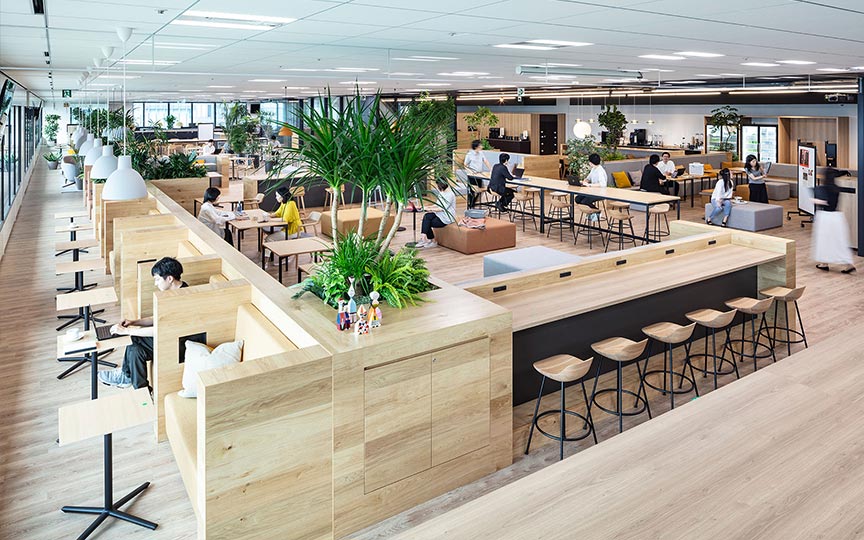
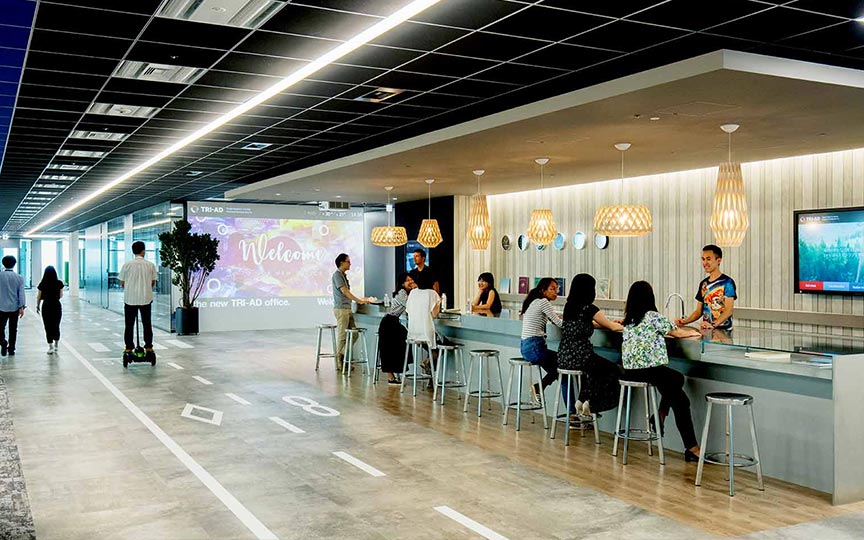
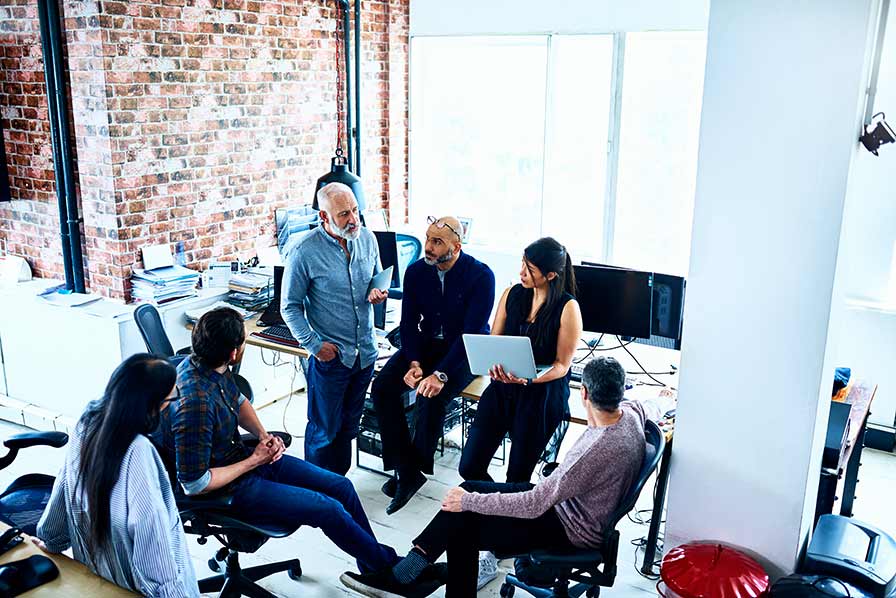
Activity-Based Workplace (ABW) is a term that has become increasingly common in the world of workplace design in recent years. Instead of providing a uniform set of workstations according to the organization and the number of workers, it is a workplace that encourages workers to proactively choose their workspace and work according to their activity.
In many Japanese companies, work has been defined based on the period from arriving at the office to leaving. In other words, even when promoting Activity-Based Working (ABW), the program tended to focus on activities within the office. From now on, it's easier to think of remote work as the basis, with the office as one option for ABW. The scope of ABW will extend beyond the office and into a wider range of time and space, such as waking up in the morning and checking emails, taking children to daycare, going to the office at a set time, compiling materials in a team meeting, visiting clients, doing wrap-ups at a satellite office, doing solo work utilizing a more advanced environment, and participating in self-development events before going home.
In Europe, the birthplace of Activity-Based Working (ABW), contracts between companies and workers, performance metrics, and evaluations are clearly defined, and the purpose of workers' time in the office is also clear. Some companies are even offering allowances to employees who live near the office and are more mobile, rather than unconditionally covering commuting costs for those living far away. Japanese companies have long employment periods, resulting in strong mutual trust and excellent teamwork. It seems necessary to maintain this advantage while restructuring their unique rules, tools, and workplaces, going beyond work-style reform to create offices that are chosen by employees.
In many Japanese companies, work has been defined based on the period from arriving at the office to leaving. In other words, even when promoting Activity-Based Working (ABW), the program tended to focus on activities within the office. From now on, it's easier to think of remote work as the basis, with the office as one option for ABW. The scope of ABW will extend beyond the office and into a wider range of time and space, such as waking up in the morning and checking emails, taking children to daycare, going to the office at a set time, compiling materials in a team meeting, visiting clients, doing wrap-ups at a satellite office, doing solo work utilizing a more advanced environment, and participating in self-development events before going home.
In Europe, the birthplace of Activity-Based Working (ABW), contracts between companies and workers, performance metrics, and evaluations are clearly defined, and the purpose of workers' time in the office is also clear. Some companies are even offering allowances to employees who live near the office and are more mobile, rather than unconditionally covering commuting costs for those living far away. Japanese companies have long employment periods, resulting in strong mutual trust and excellent teamwork. It seems necessary to maintain this advantage while restructuring their unique rules, tools, and workplaces, going beyond work-style reform to create offices that are chosen by employees.
Restarting innovation
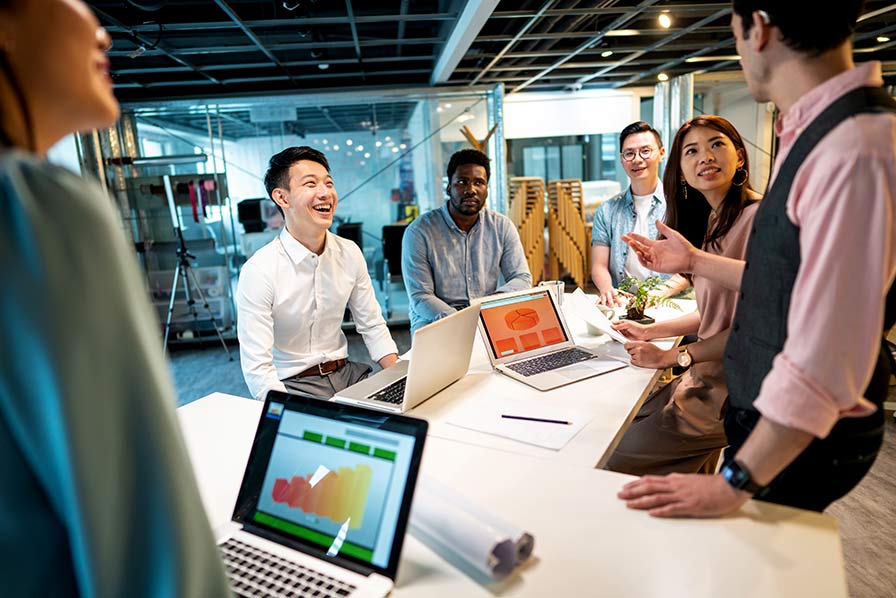
Furthermore, gathering in the office shouldn't be solely for the purpose of praying at a shrine. Insights born from informal communication, ideas spun out from discussions—to grow these into new business models, companies need mechanisms for collaboration with many other companies. While virtual spaces are advantageous for building broad and rapid connections, the highly functional and secure environment of urban offices offers an advantage in achieving stronger and more precise collaboration. Individual workers will also seek places where they can reaffirm the vision of the company they belong to, encounter others, and experience personal growth. It is said that if companies do not restart their efforts to create workplaces as spaces for open innovation after the COVID-19 pandemic, they will find it increasingly difficult to attract top talent.
STAY HOME or STAY OFFICE?
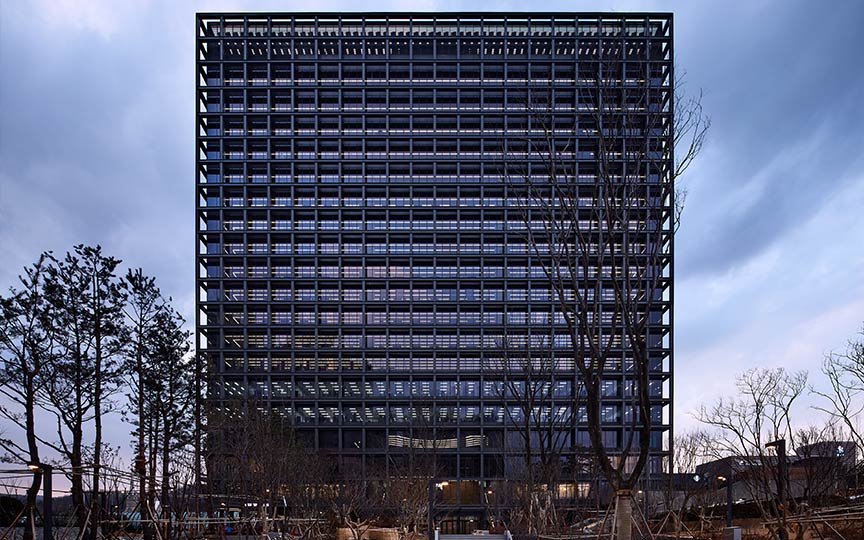
Office buildings in Japan have evolved to withstand earthquakes, floods, and disruptions to essential services. The COVID-19 pandemic can be seen as adding another item to the menu of our Business Continuity Plan (BCP). We must prepare not only for a second wave of COVID-19, but also for what kind of disaster we should anticipate next and for its potential to become a combination of both. Depending on the type of disaster, it may even be safer to be in the office than at home.
Even during this state of emergency, many workers continued to fight in the city center to support social infrastructure, highlighting the need for safer offices. While some companies are considering relocation or a division of roles with satellite offices, others may feel that safer offices in the city center were necessary all along.
Large office buildings house numerous companies, so building owners need to provide a wide range of detailed and responsive options. Furthermore, they must also advance remote work and robotics to quickly and accurately meet the needs of their client companies. The smart transformation of buildings is eagerly awaited.
Even during this state of emergency, many workers continued to fight in the city center to support social infrastructure, highlighting the need for safer offices. While some companies are considering relocation or a division of roles with satellite offices, others may feel that safer offices in the city center were necessary all along.
Large office buildings house numerous companies, so building owners need to provide a wide range of detailed and responsive options. Furthermore, they must also advance remote work and robotics to quickly and accurately meet the needs of their client companies. The smart transformation of buildings is eagerly awaited.
While various proposals have already been made, such as contactless devices and expanded natural ventilation, depending on the anticipated disaster, it may be necessary to not only improve ventilation but also to enhance airtightness and more actively control air quality and airflow. If we broaden our scope to include advanced medical facilities and research facilities, it can be said that the individual elemental technologies are already in place, so we would like to proceed with preparations so that we can accurately integrate them according to the required programs. (July 22, 2020)
* "Beyond Covid-19: Society, Cities, and Architecture" is a series. Going forward, architects, planners, engineers, consultants, and others will regularly share their visions from their respective professional perspectives.