
Using Computers to Realize Dreams

New challenges in architectural design

SCROLL DOWN

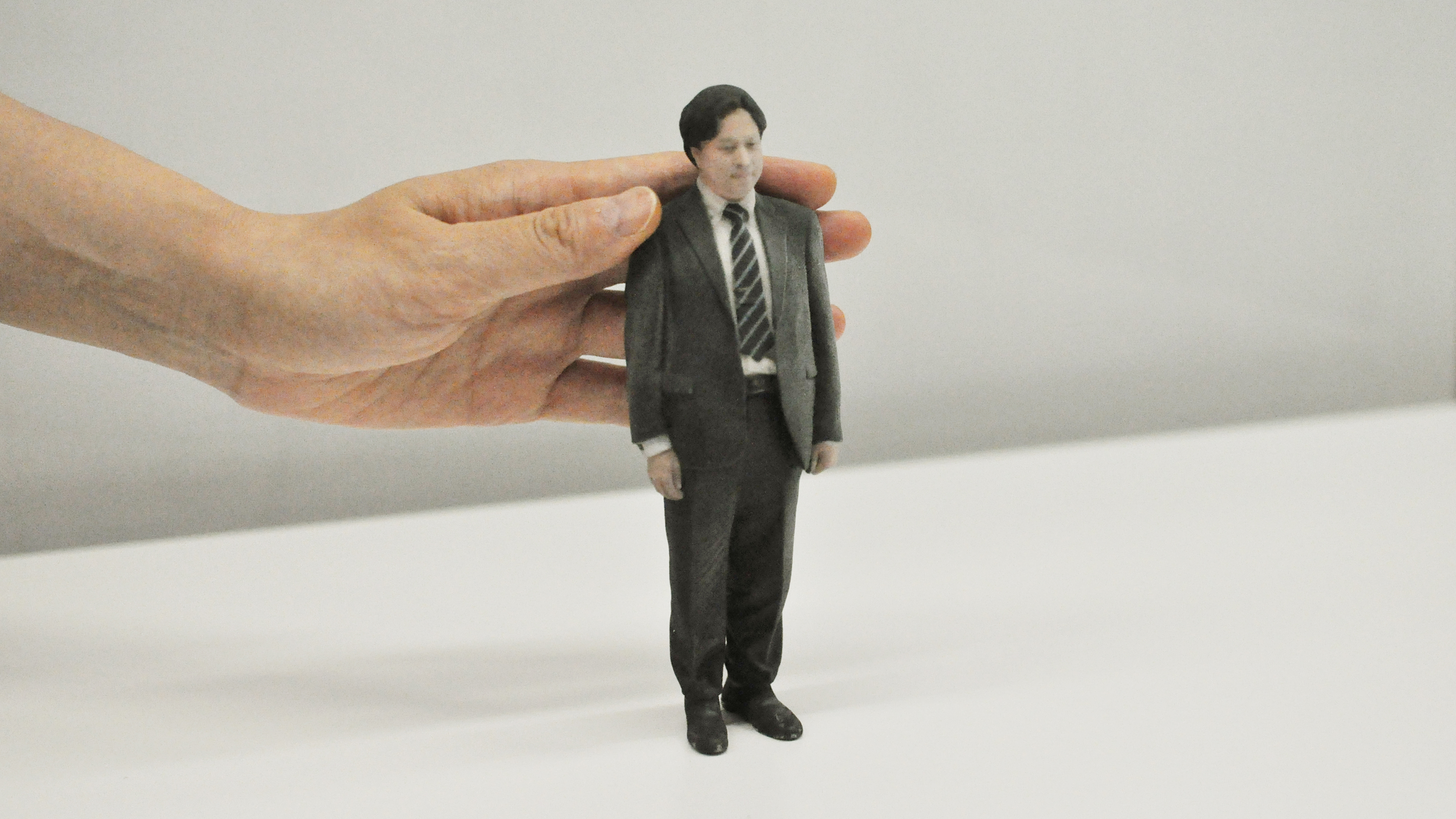
The manufacturing environment is beginning to change dramatically. Take 3D printers, for example. Printers can create objects exactly as they are designed on a computer. Currently, they can only create objects from a limited range of materials such as resin, but it is said that in the future, if you can create digital data, you will be able to create objects from any material in the same way as printing, without spending a lot of time or money. Even clothes that perfectly fit each individual's body shape may become easy to make by scanning the body.

Is architecture truly a one-of-a-kind production?

Incidentally, architecture should ideally be a one-off product, tailored to the specific requirements of each project. However, in reality, due to economic reasons, many parts such as sashes and screws are mass-produced in factories, which has been a hindrance, preventing the creation of completely free and optimally suited forms for each project. However, as technology advances to directly translate data from computers into tangible forms, individual parts can be easily produced one-off, and the day will surely come when we can create truly desired architecture without being constrained by mass-produced industrial goods. Nikken Sekkei, which aims to create architecture more freely and flexibly, and to meet the diverse needs of its clients, is now striving to expand the possibilities of architectural design by making maximum use of computers.
Can we create even more rational and innovative buildings that meet diverse needs?

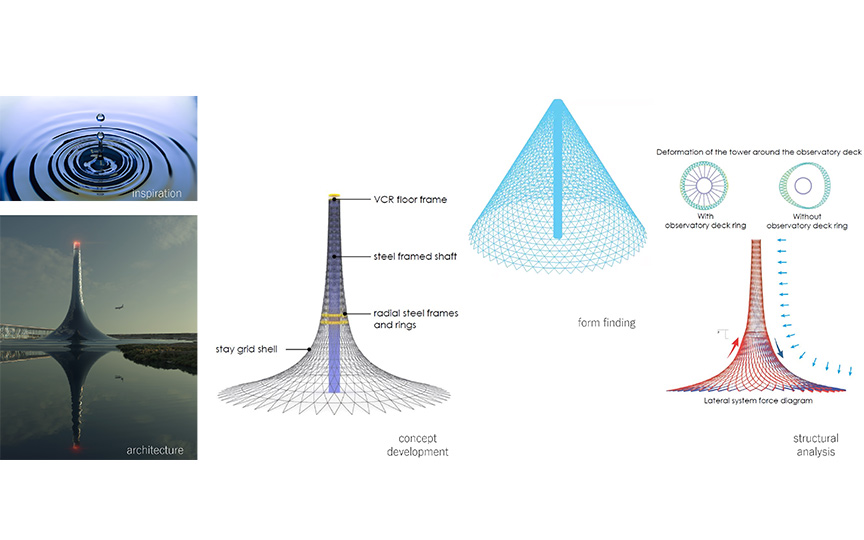
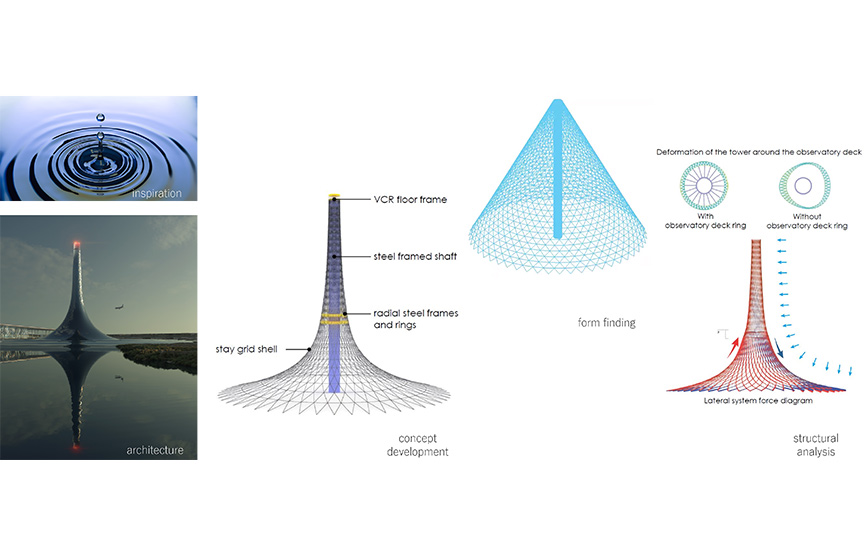
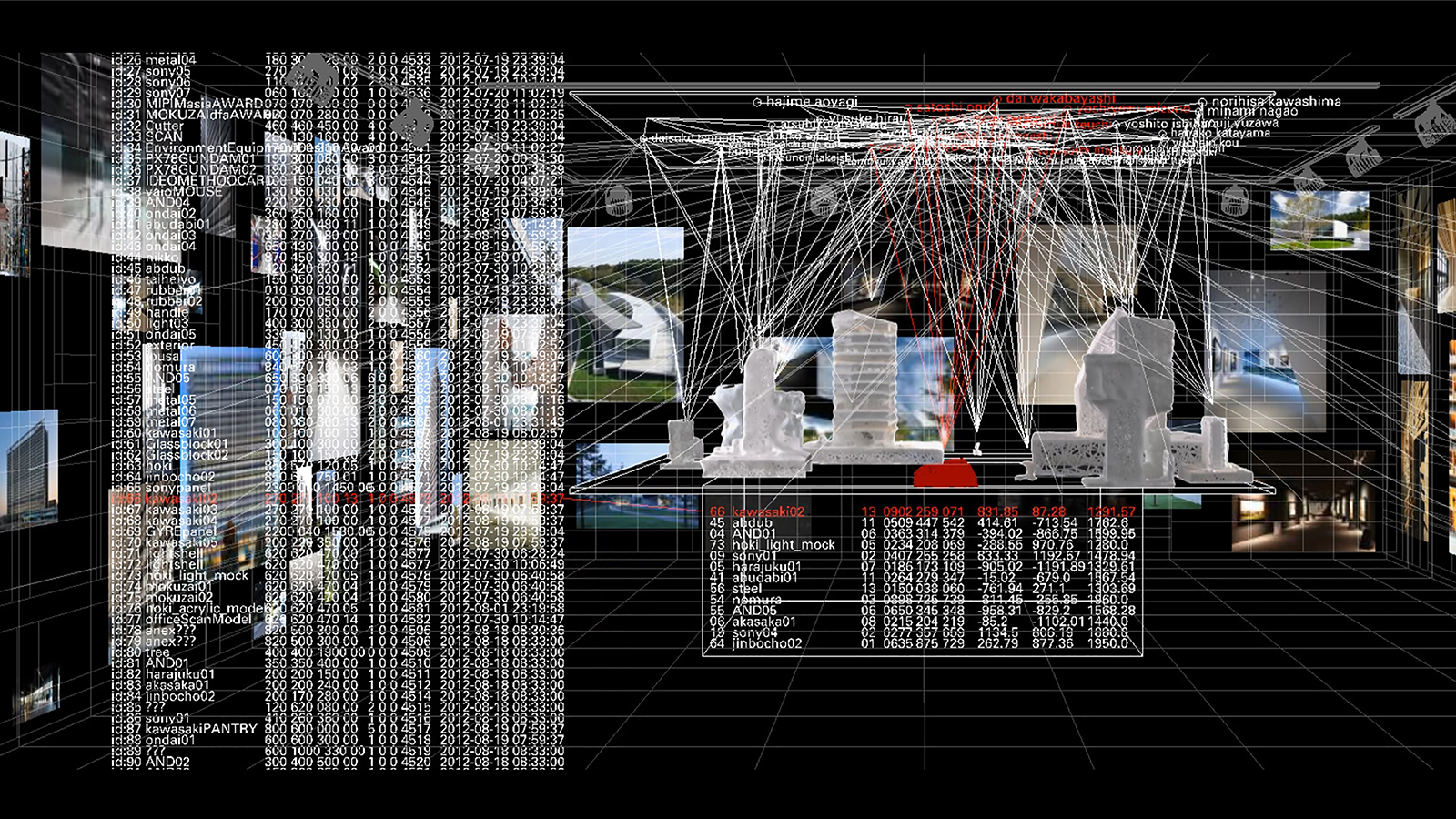
For example, imagine you're planning a building that's visually innovative, structurally rational, low-cost, and environmentally friendly, while also meeting the diverse needs of its users. Previously, designers would spend enormous amounts of time creating models and conducting simulations, considering each aspect individually. Nikken Sekkei is working on developing a system that uses computers to consolidate many conditions while creating high-quality designs in less time. Using computers, it becomes possible to perform simulations far more times than humans could, consider numerous design options, and then select the optimal one. Furthermore, with the advancement of 3D printing technology, as mentioned earlier, it will be possible to use that data directly to create custom building parts at low cost, allowing for the realization of truly desired and ideal architecture.

Computers can make both humans and architecture more free.

When we think of computer-generated design proposals, we might imagine impersonal and cold architecture, but that's not necessarily the case. Because computers combine various conditions to derive what many people desire, they can propose forms that are more lovable to people and may even be more human-like than those designed by humans who organize and create simple shapes in their minds.
I believe that in the future, we will be able to create buildings that are optimally designed to meet a wide range of conditions and individual needs, more efficiently and at a lower cost than we can now. And by entrusting the difficult, tedious, and time-consuming tasks to computers, both humans and architecture will become more free and creative. At Nikken Sekkei, we are pursuing the realization of this vision by having designers and computers work together.

This site uses cookies. By continuing to use this website, you consent to the use of cookies.Our policy.