
Series: What is Supervision? Part 1
A conductor that stays close to the building's lifecycle
*Titles are as of the time of the interview.
SCROLL DOWN
What is “construction supervision”—a process that plays a crucial role in the construction and maintenance of buildings?—
We’ll explore this in a four-part series.
"Supervision" is a term unique to the construction industry, distinct from the general meaning of "management" as used in other fields.The Building Standards Act, enacted in 1950, mandates that owners of specified buildings “must appoint an architect as the construction supervisor.” The construction supervisor mandated by this law is responsible for verifying that construction is being carried out safely and in accordance with the design drawings.
At Nikken Sekkei, we define the role of construction supervision as “protecting the interests of the client (building owner),” with the goal of ensuring that architecture creates greater value for society.
In this first installment, we explore the creativity and appeal of construction supervision.



"Nikken Sekkei's Project Management": Supporting Clients' Interests from a Multifaceted and Long-Term Perspective
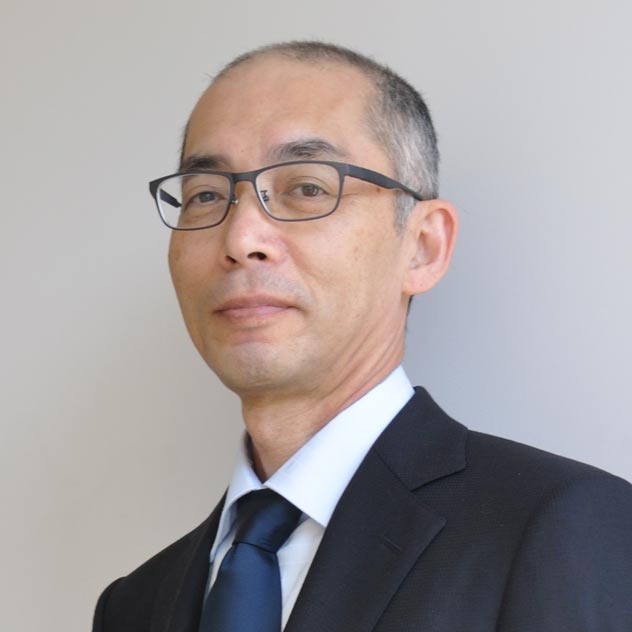
Tetsuya Sumi, Principal, leads this Supervision Group.(At the time of the interview)When asked, “What is in the client’s best interest?” they reply, “First and foremost, it is ensuring the soundness and safety of the building.” “Since buildings serve as social infrastructure, any compromise to them could endanger not only the building owner but also the lives of users and damage surrounding structures; therefore, construction supervision by professionals with advanced expertise is essential.”
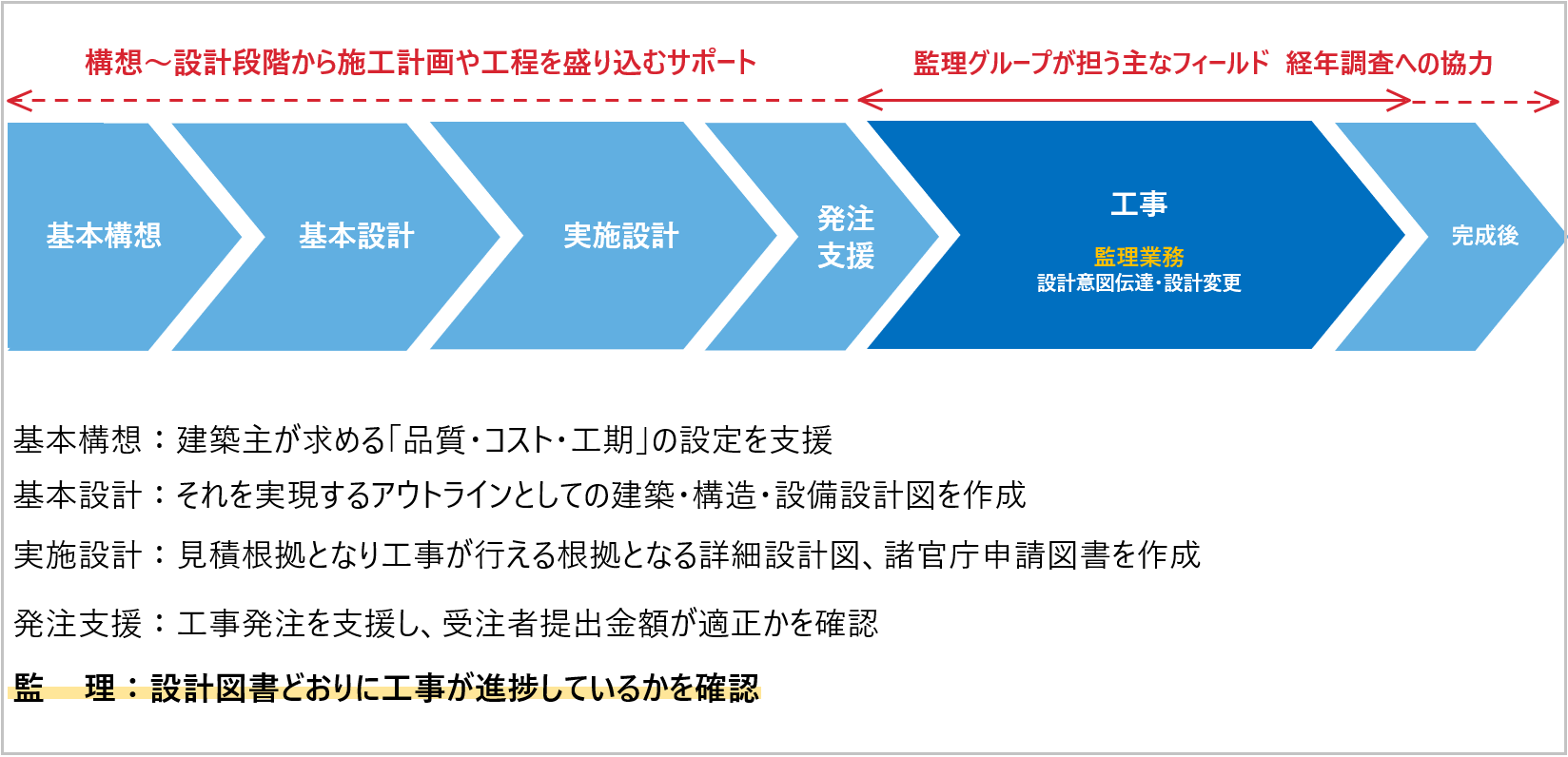 In addition to construction supervision, Nikken Sekkei’s Supervision Group provides support during the conceptual planning and design phases, as well as assistance with procurement, thereby contributing to quality improvement throughout the entire life cycle of a building.
Integrating the insights of stakeholders
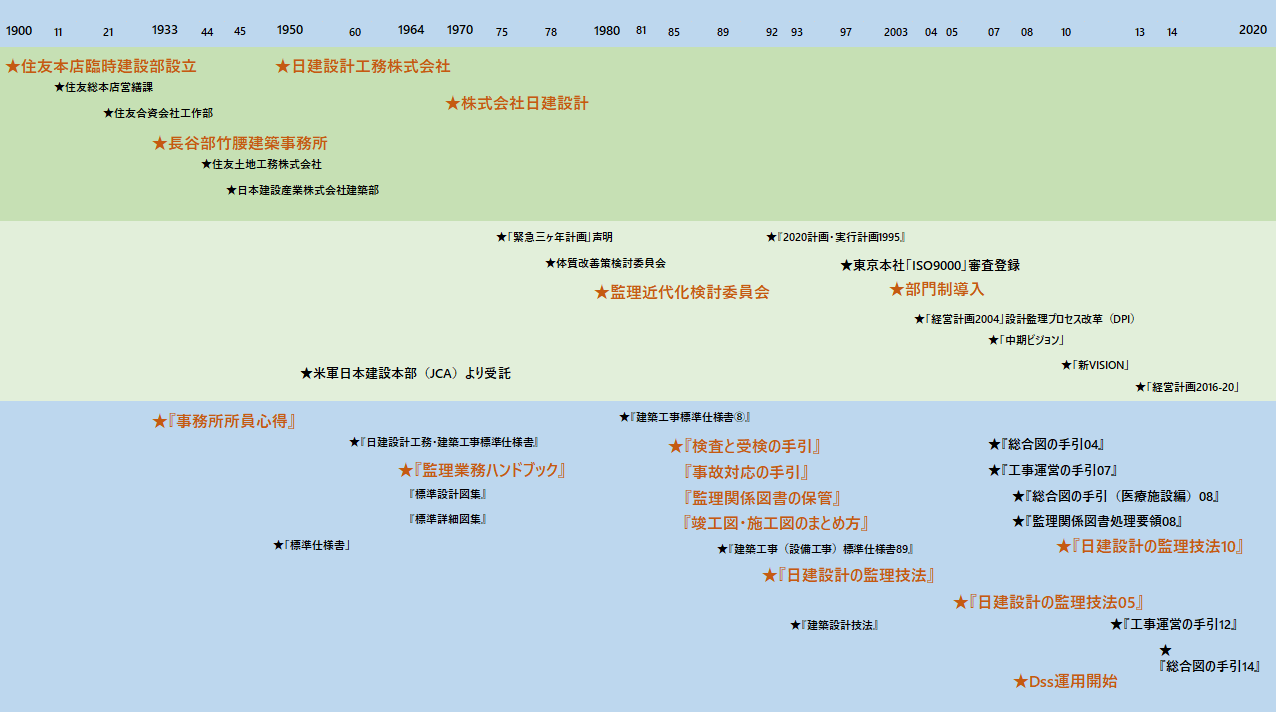 A 120-Year History of Quality Control at Nikken Sekkei
"Creating Buildings Together in a Positive Spirit"
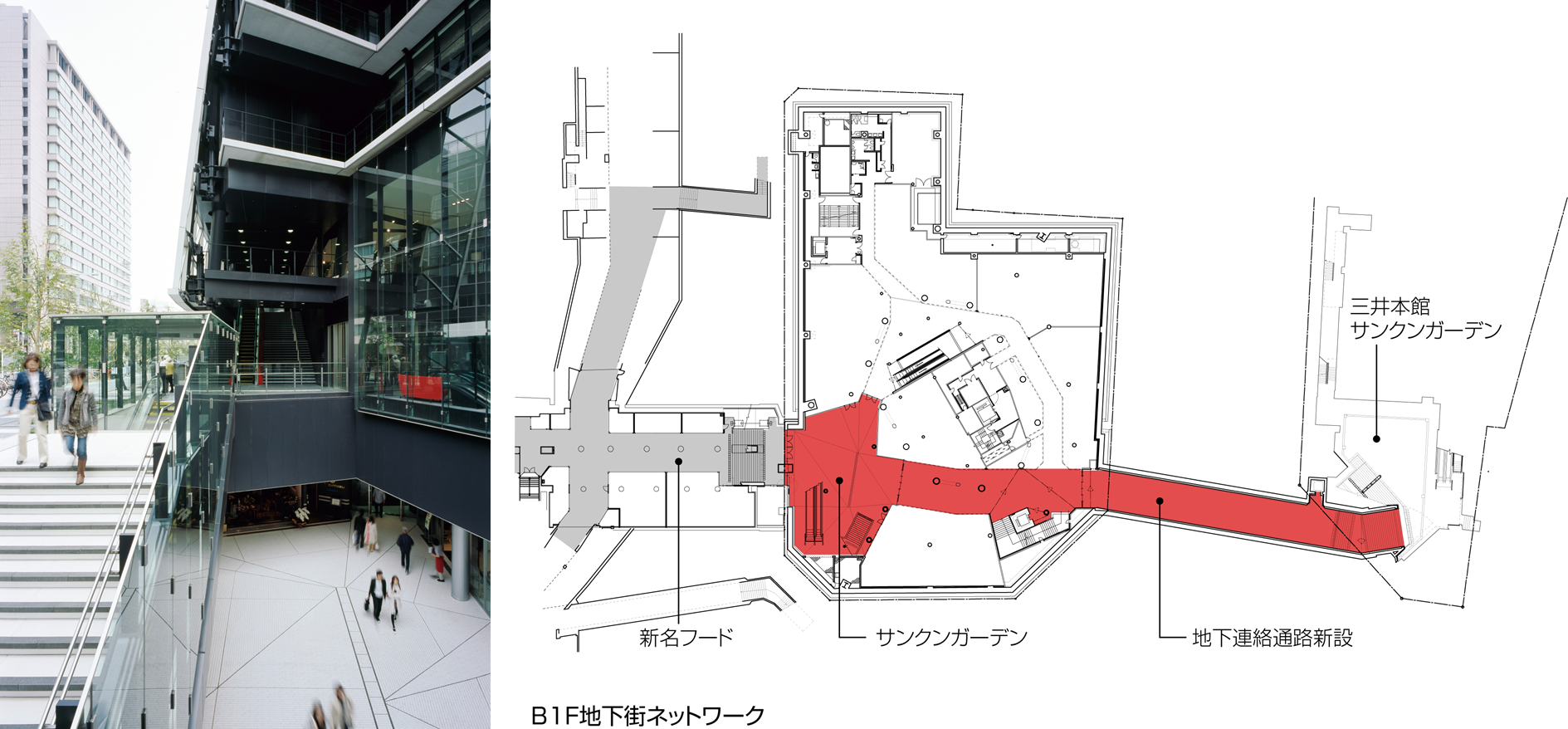 At “Mode Gakuen Spiral Towers,” an underground passageway was constructed beneath the southern portion of the site, helping to extend the underground shopping network that connects the station-front underground mall to the southern city blocks. Photo left: Sunken Garden © Ken’ichi Suzuki
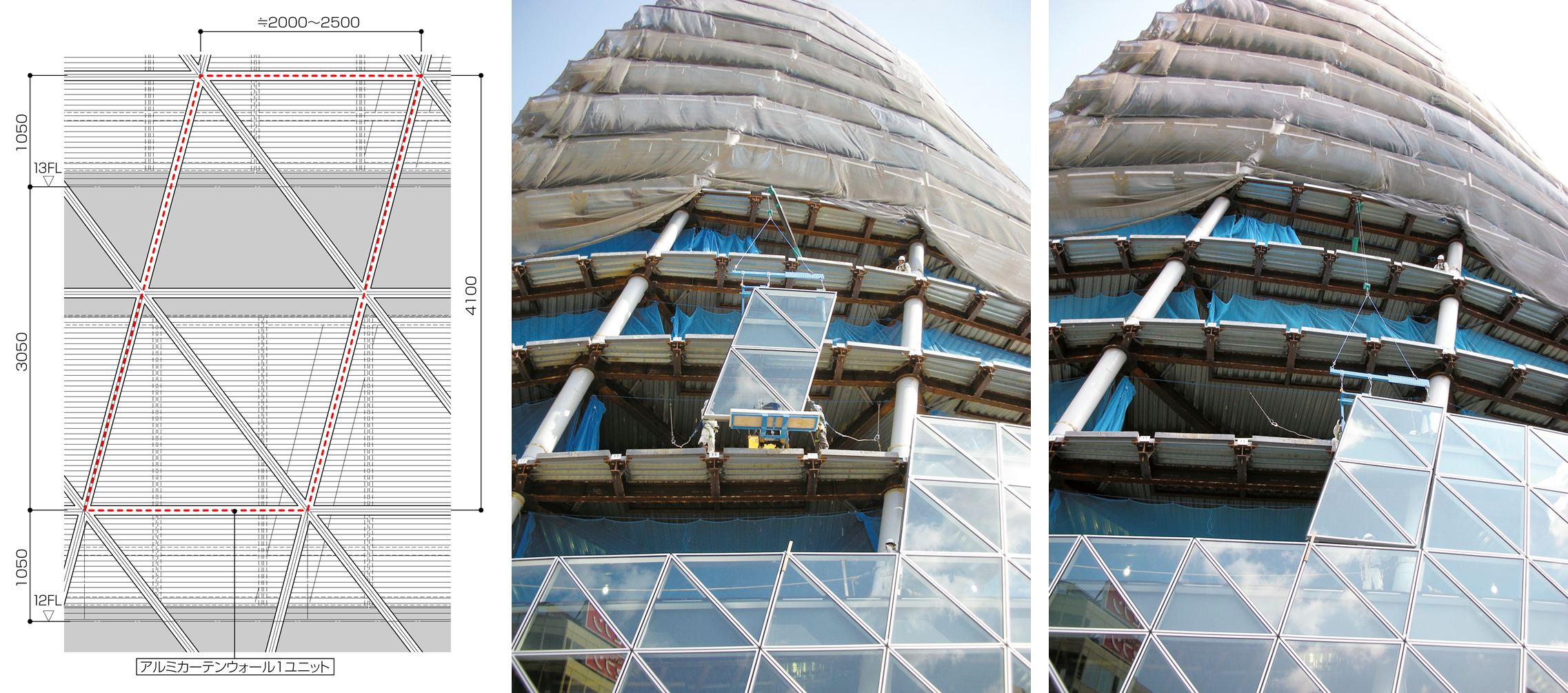 Installation of the aluminum curtain wall units that form the iconic exterior of the “Mode Gakuen Spiral Towers.”
So, what exactly is the appeal of supervision work?
“It’s a bit like being a conductor—I don’t play myself, but I make sure everyone else can play comfortably. It makes me happy when the rhythm clicks perfectly and the craftsmen look at me with pride.”
The ability to oversee and fuse the knowledge and creativity of multiple parties—that is what underpins the high quality of architecture.
In the next installment, we’ll explain the four key functions of Nikken Sekkei’s project management services and our unique support system.