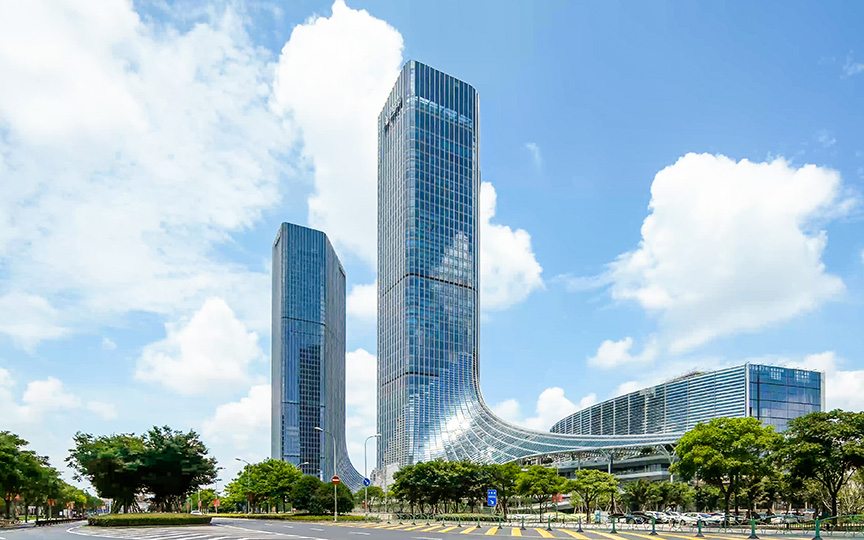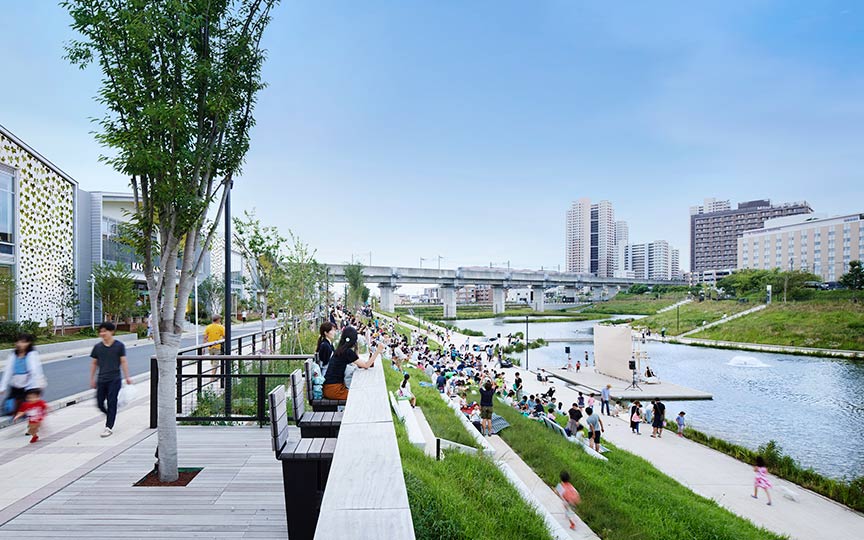

"Team Shibuya," a group of nine businesses, coordinated construction work and handled public relations activities [Part 1]
SCROLL DOWN
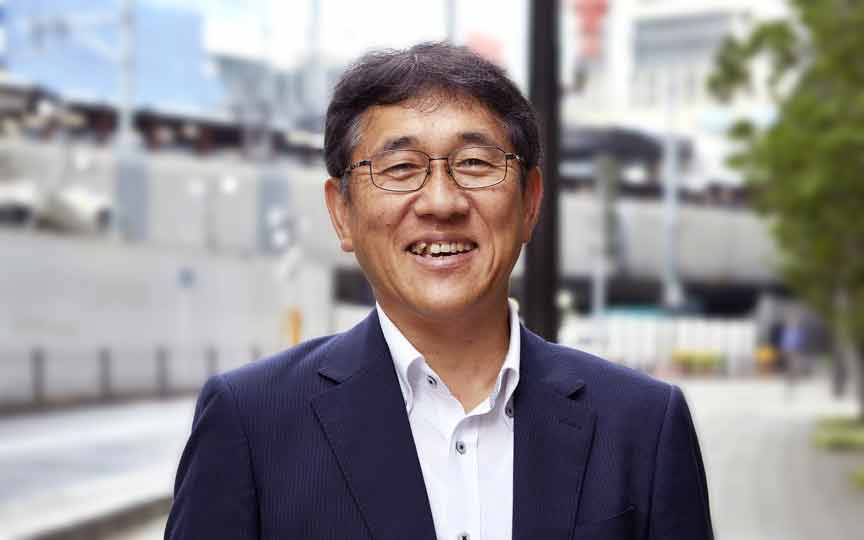
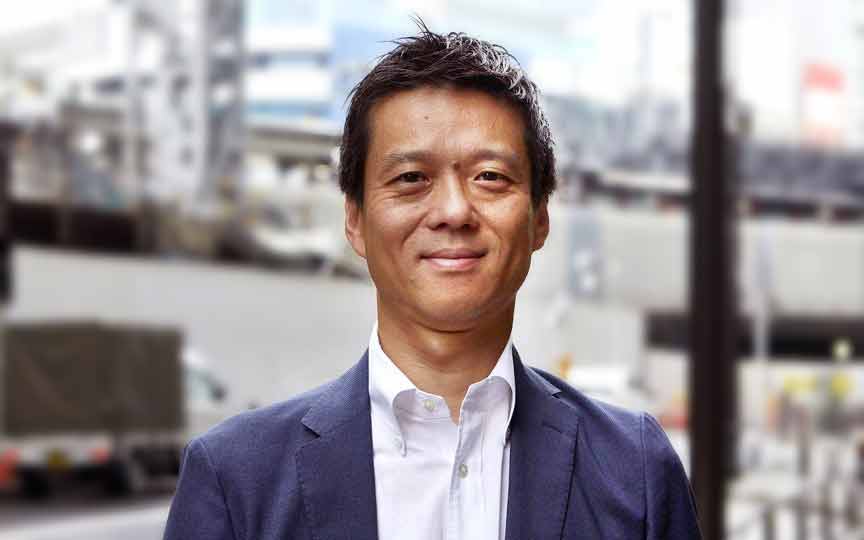
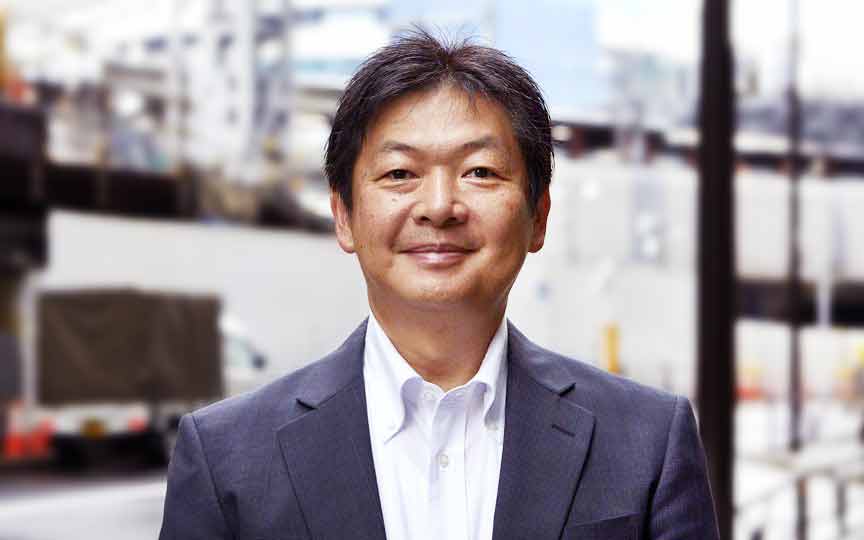
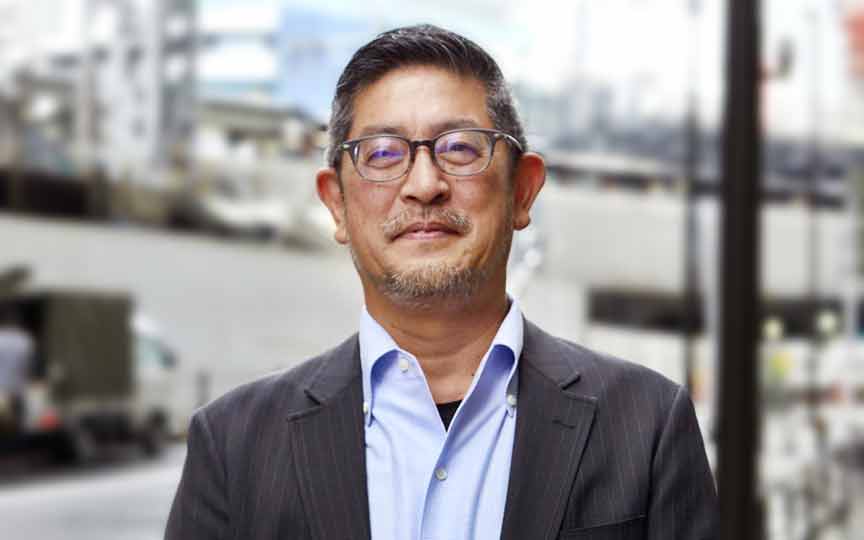
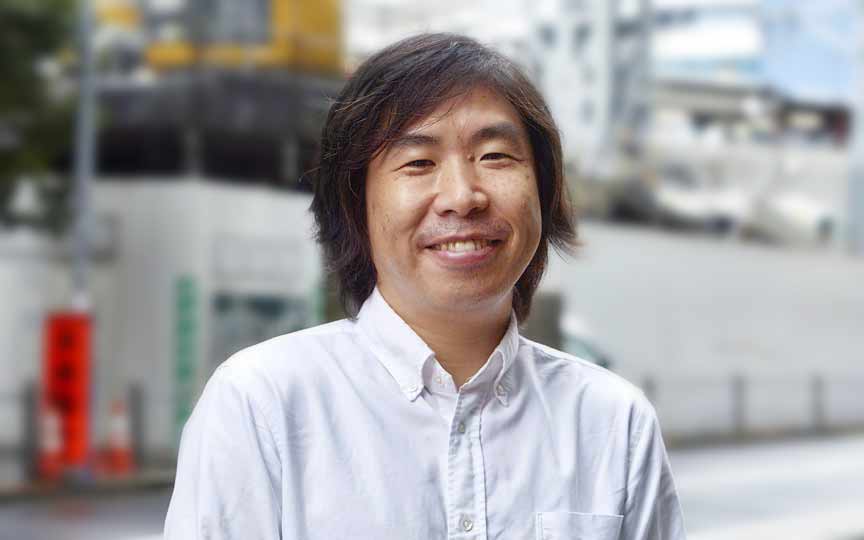
渋谷駅中心地区の再開発工事が本格的に動き出したのは、渋谷ヒカリエが開業した2012年のこと。その翌年、長期的な視野で工事・工程の調整を行う「渋谷駅中心地区工事・工程協議会(通称:CM会議)」がスタートした。集ったのは、まさに“チーム渋谷”といえる、鉄道各社や開発事業者など9つの事業者。今回は、そのメンバーである東日本旅客鉄道株式会社(JR東日本)の有川貞久さん(現:新宿南エネルギーサービス株式会社)、東京地下鉄株式会社(東京メトロ)の白子慎介さん、東急株式会社(東急)の森正宏さん、また株式会社日建設計とともにCM会議の立ち上げと運営に携わったパシフィックコンサルタンツ株式会社の小脇立二さんを招いて、再開発工事のこれまでとこれから、そして“チーム渋谷”が果たした役割について語り合った。ファシリテーターは、同協議会の立ち上げ時からプロジェクトに関わる、日建設計都市部門TOD計画部アソシエイトの篠塚雄一郎。



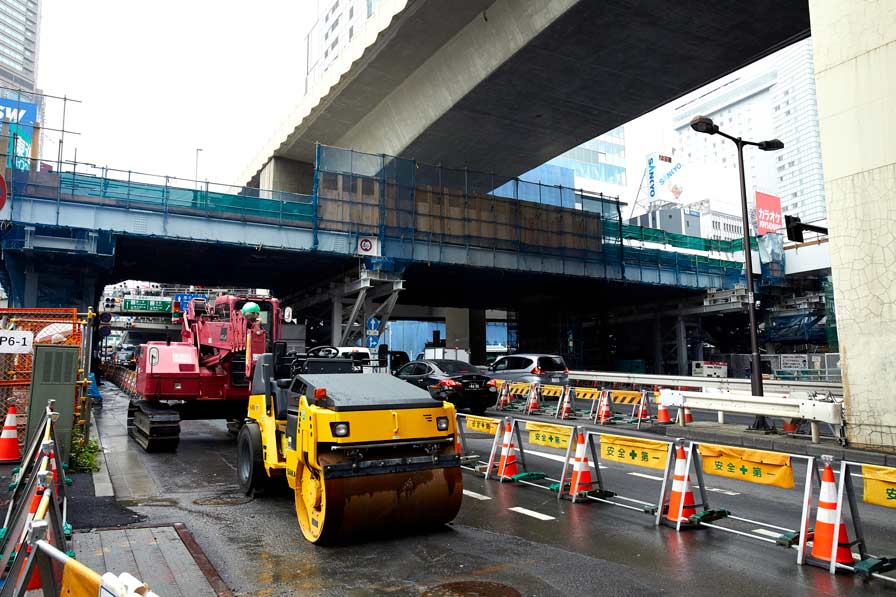
The CM meeting, which provides an overview of the entire project, is the driving force behind the Shibuya redevelopment.
Shinozuka: The “Shibuya Station Central District Construction and Schedule Coordination Council (CM Council)” was established at the end of fiscal year 2013. Since then, there have been various developments, such as coordinating construction schedules and discussing public relations activities, including making the details of the construction work “visible.” First, I’d like to hear from you about the early days of the CM Council.
Arikawa: At the time, I was the section chief of the Terminal Planning Department at JR East. I remember that, at first, the nine parties involved would often discuss how to standardize the design of directional signs and posters for public relations and promotional purposes. Since this was a new endeavor for us, I frequently had to explain what we were doing to colleagues within the company as well.
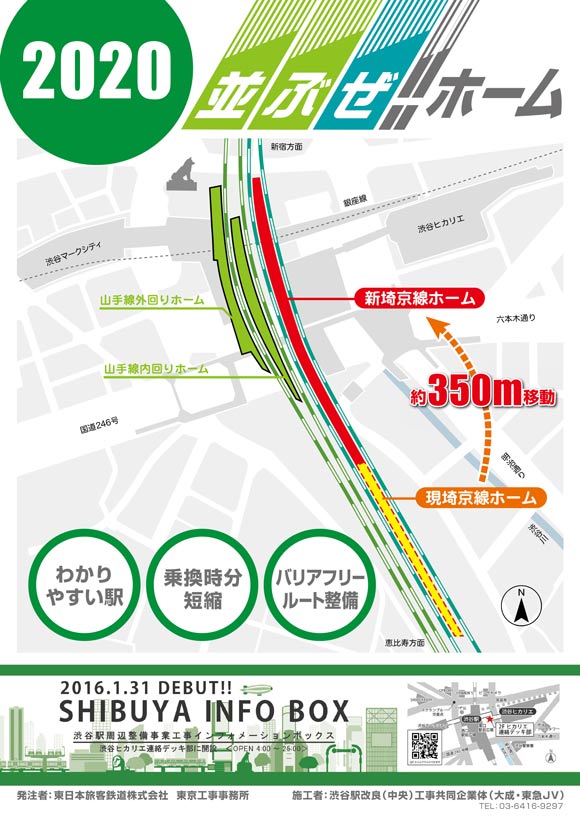
Shinozuka: Back in 2016, each company created a set of posters to promote the construction project, right? They all used the same format, with three catchphrases, and each operator used a different color. JR East’s poster featured the tagline “Let’s Line Up!! Platform.” It was designed to show how the Saikyo Line platform would be relocated to adjoin the Yamanote Line platform, and I was really surprised by how bold they were (laughs).
Arikawa: It's a parody of our company's "Let's Go, Tohoku!" campaign (lol).
Arikawa: At the time, I was the section chief of the Terminal Planning Department at JR East. I remember that, at first, the nine parties involved would often discuss how to standardize the design of directional signs and posters for public relations and promotional purposes. Since this was a new endeavor for us, I frequently had to explain what we were doing to colleagues within the company as well.
Shinozuka: Back in 2016, each company created a set of posters to promote the construction project, right? They all used the same format, with three catchphrases, and each operator used a different color. JR East’s poster featured the tagline “Let’s Line Up!! Platform.” It was designed to show how the Saikyo Line platform would be relocated to adjoin the Yamanote Line platform, and I was really surprised by how bold they were (laughs).
Arikawa: It's a parody of our company's "Let's Go, Tohoku!" campaign (lol).
Shirako: In contrast, we at Tokyo Metro had a rather stiff tagline—“A Fusion of Tradition and Innovation”—so that tagline really took me by surprise (laughs). Like Mr. Arikawa, I also have vivid memories of the discussions we had early on about standardizing signage. In particular, for us and JR East, considering the need for consistency with our respective company signage, it was quite challenging to determine the extent to which we should standardize things, and I recall that it took quite some time just to get the discussion started.
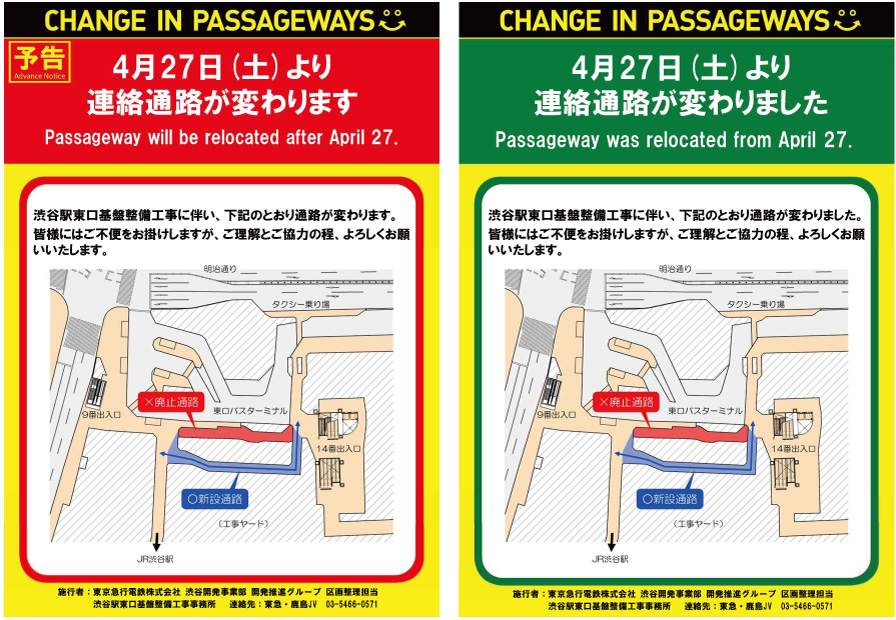
Shinozuka: As it turned out, we ended up basing the directional signage on the design originally created for the Shibuya Station District Land Readjustment Project (Station District Land Readjustment). Also, while pedestrian routes will shift during construction, given the complex interplay of the various construction entities involved, we’ve standardized the format for signage guiding pedestrians both before and after these route changes. As a fellow railway company, how about you, Tokyu?
Shinozuka: As it turned out, we ended up basing the directional signage on the design originally created for the Shibuya Station District Land Readjustment Project (Station District Land Readjustment). Also, while pedestrian routes will shift during construction, given the complex interplay of the various construction entities involved, we’ve standardized the format for signage guiding pedestrians both before and after these route changes. As a fellow railway company, how about you, Tokyu?
Forest: I’ve served as the representative for the station district land readjustment project at Tokyu and have been involved in it for a long time. Since there are frequent changes to pedestrian routes in this project, it’s been a huge help to have standardized signage rules. And of course, we can’t leave out the “Traffic Measures Review Committee,” which manages the construction schedules of so many different contractors in a coordinated manner.
Shinozuka: Since construction projects related to railways and infrastructure have to be carried out on public roads, there are inevitably overlaps in construction schedules and locations. This study group was formed to address that issue. I don’t think there have been many precedents for managing construction projects by various operators in an integrated manner—was it particularly challenging?
Forest: Since various construction projects were underway simultaneously within a very limited area around the station, coordinating the schedules for nighttime construction was a major challenge. While there were some difficult parts, I believe the construction for each project proceeded smoothly precisely because we planned ahead a year in advance.
Shinozuka: Perhaps this was only possible because the core members were organizations with a strong public mission, such as railway operators and the Tokyo Regional Office of the Ministry of Land, Infrastructure, Transport and Tourism. I helped with the launch and operations as well, and I felt there was a genuine “Team Shibuya” atmosphere—one where the organizations considered the big picture rather than just their own operations.
Arikawa: I believe that the fact Shibuya Ward understood the purpose behind establishing the CM Committee contributed to the smooth progress of our discussions. For example, there are more than a dozen smoking areas managed by Shibuya Ward around the station, as well as one public restroom on each side of the station—east and west. If we were to build a temporary station building, we simply couldn’t proceed without addressing these facilities. Therefore, at the CM meeting, we proposed that the Tokyo National Highway Office join the committee so that all stakeholders could work together as a unified team to address these issues.
Under the arm: I remember that proposal. What’s interesting about the CM meetings is that, whereas normally discussions would take place between the Tokyo National Highway Office—which is a government agency—and the various contractors, the Tokyo National Highway Office (Togoku) participated strictly as one of the contractors. I get the impression that things are going well precisely because everyone was on the same page and focused on “overall optimization.”
Shinozuka: Mr. Kowaki is involved in the overall planning for Shibuya as part of Pacific Consultants’ planning division, and regarding the CM meetings, he supports the secretariat as a consultant alongside us at Nikken Sekkei. But actually, you’ve been involved since even before the CM meetings began—since the launch of the Traffic Measures Study Group in February 2013, haven’t you?
Shinozuka: Since construction projects related to railways and infrastructure have to be carried out on public roads, there are inevitably overlaps in construction schedules and locations. This study group was formed to address that issue. I don’t think there have been many precedents for managing construction projects by various operators in an integrated manner—was it particularly challenging?
Forest: Since various construction projects were underway simultaneously within a very limited area around the station, coordinating the schedules for nighttime construction was a major challenge. While there were some difficult parts, I believe the construction for each project proceeded smoothly precisely because we planned ahead a year in advance.
Shinozuka: Perhaps this was only possible because the core members were organizations with a strong public mission, such as railway operators and the Tokyo Regional Office of the Ministry of Land, Infrastructure, Transport and Tourism. I helped with the launch and operations as well, and I felt there was a genuine “Team Shibuya” atmosphere—one where the organizations considered the big picture rather than just their own operations.
Arikawa: I believe that the fact Shibuya Ward understood the purpose behind establishing the CM Committee contributed to the smooth progress of our discussions. For example, there are more than a dozen smoking areas managed by Shibuya Ward around the station, as well as one public restroom on each side of the station—east and west. If we were to build a temporary station building, we simply couldn’t proceed without addressing these facilities. Therefore, at the CM meeting, we proposed that the Tokyo National Highway Office join the committee so that all stakeholders could work together as a unified team to address these issues.
Under the arm: I remember that proposal. What’s interesting about the CM meetings is that, whereas normally discussions would take place between the Tokyo National Highway Office—which is a government agency—and the various contractors, the Tokyo National Highway Office (Togoku) participated strictly as one of the contractors. I get the impression that things are going well precisely because everyone was on the same page and focused on “overall optimization.”
Shinozuka: Mr. Kowaki is involved in the overall planning for Shibuya as part of Pacific Consultants’ planning division, and regarding the CM meetings, he supports the secretariat as a consultant alongside us at Nikken Sekkei. But actually, you’ve been involved since even before the CM meetings began—since the launch of the Traffic Measures Study Group in February 2013, haven’t you?
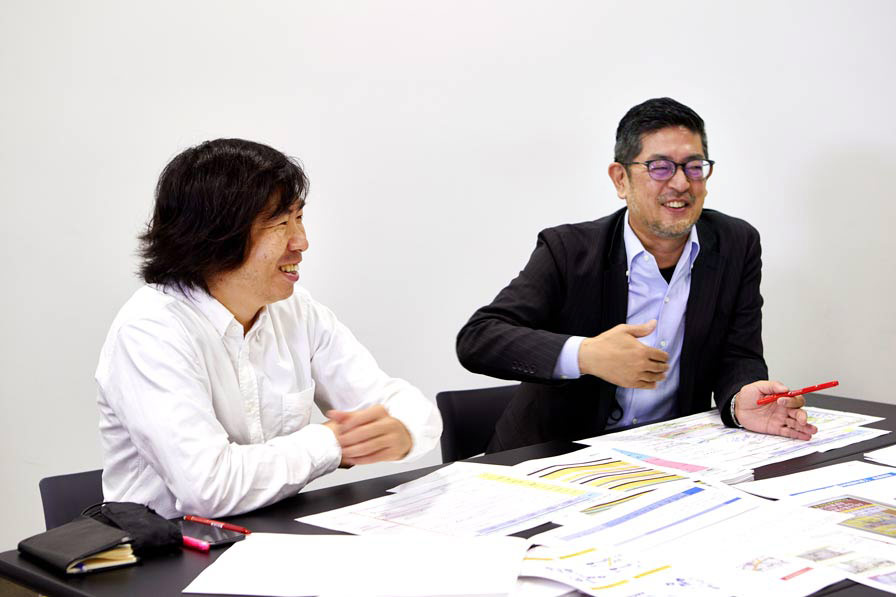
Under the arm: Yes. To begin with, what really prompted the various contractors to work together was that stern remark from the traffic manager, wasn’t it? (laughs). Company A said it wanted to close one lane while doing construction. Then Company B, which was working right next to them, said it wanted to close one lane as well. Even if it’s just one lane each, if you stack them up, the road would be completely blocked. We were told to figure out a way to handle that situation, and it really gave us a headache.
Forest: Usually, since it’s hard to predict how other projects will unfold, we tend to set the construction schedule a bit too short. But when it comes down to it, things often don’t go as planned. With this project, however, I really feel that—through the traffic management review committee—the parties involved have worked together, coordinating effectively to keep the project on track as much as possible.
Shirako: Even if there hadn’t been any CM meetings, I’m sure the various companies would have coordinated among themselves anyway. However, I have no doubt that the regular meetings—which brought each operator’s plans to light and clarified exactly what needed to be done by when—served as the driving force behind Shibuya’s redevelopment. Deadlines were strictly set, and since we knew exactly what would happen if construction fell behind, there was definitely some pressure (laughs).
Forest: Usually, since it’s hard to predict how other projects will unfold, we tend to set the construction schedule a bit too short. But when it comes down to it, things often don’t go as planned. With this project, however, I really feel that—through the traffic management review committee—the parties involved have worked together, coordinating effectively to keep the project on track as much as possible.
Shirako: Even if there hadn’t been any CM meetings, I’m sure the various companies would have coordinated among themselves anyway. However, I have no doubt that the regular meetings—which brought each operator’s plans to light and clarified exactly what needed to be done by when—served as the driving force behind Shibuya’s redevelopment. Deadlines were strictly set, and since we knew exactly what would happen if construction fell behind, there was definitely some pressure (laughs).
Visualize the progress of construction using "vision" and "web".
Shinozuka: Hiroshi Naito, vice-chair of the Shibuya Station Central District Urban Development Coordination Council, said, “If construction drags on for 10 or 20 years, people will stop coming to Shibuya, so we need to make sure we communicate effectively even while construction is underway.” In addition to coordinating construction, the CM Council also plays a role in public relations for the redevelopment project, and in 2014, efforts to establish a facility dedicated to disseminating information gained momentum.
Under the arm: As an example, the first thing we did was visit Tokyo Metro’s “Metro Sunachika.” It’s a facility that clearly explains the details of the Minami-Sunamachi Station renovation project using a timeline and dioramas.
Arikawa: Wow, I was impressed that they go to such lengths to get the word out—especially considering how much money they’re investing in it.
Shinozuka: Shirako-san herself was really enthusiastic about setting up the info box, wasn't she?
Shirako: I was really getting into it and spinning it around like crazy (laughs). The thing is, when scholars like Mr. Naito and others discussed how to communicate information about the construction project, I realized that was exactly what Tokyo Metro had been doing all along. That’s why I remember telling everyone that I wanted to give it my all.
Shinozuka: That's right. Including us consultants, everyone came up with over a dozen potential locations for the info boxes, and we moved forward with our discussions.
Forest: When I proposed an underground plaza, I was told it would be difficult due to legal restrictions. In that way, the list of possible locations kept getting narrower and narrower. Ultimately, due to fire safety and building code restrictions, it became clear that it would be difficult to construct a building to house the exhibition.
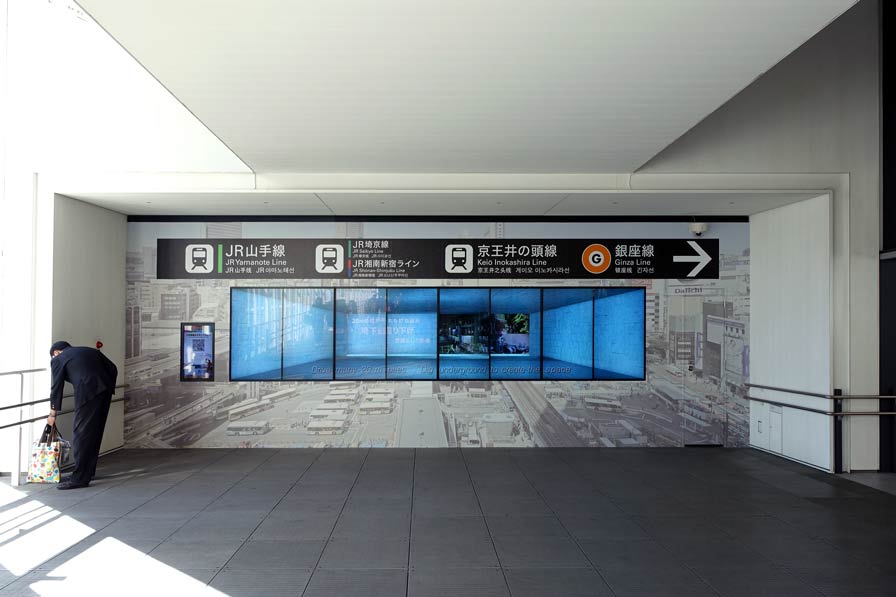
Shinozuka:結局、渋谷ヒカリエの連絡デッキに「SHIBUYA INFO VISION」を設置して、各社が40秒の動画をつくって放映することになりました。2016年2月のことですね。
Under the arm: As an example, the first thing we did was visit Tokyo Metro’s “Metro Sunachika.” It’s a facility that clearly explains the details of the Minami-Sunamachi Station renovation project using a timeline and dioramas.
Arikawa: Wow, I was impressed that they go to such lengths to get the word out—especially considering how much money they’re investing in it.
Shinozuka: Shirako-san herself was really enthusiastic about setting up the info box, wasn't she?
Shirako: I was really getting into it and spinning it around like crazy (laughs). The thing is, when scholars like Mr. Naito and others discussed how to communicate information about the construction project, I realized that was exactly what Tokyo Metro had been doing all along. That’s why I remember telling everyone that I wanted to give it my all.
Shinozuka: That's right. Including us consultants, everyone came up with over a dozen potential locations for the info boxes, and we moved forward with our discussions.
Forest: When I proposed an underground plaza, I was told it would be difficult due to legal restrictions. In that way, the list of possible locations kept getting narrower and narrower. Ultimately, due to fire safety and building code restrictions, it became clear that it would be difficult to construct a building to house the exhibition.
Shinozuka:結局、渋谷ヒカリエの連絡デッキに「SHIBUYA INFO VISION」を設置して、各社が40秒の動画をつくって放映することになりました。2016年2月のことですね。
Shirako: With a box-shaped display, visitors have to go inside to see it, but the video screen located in the hallway could be seen from a distance, which made it much easier to promote our event. All in all, I think we did a good job of getting our message across.
Under the arm: The regulatory agency pointed out, “Since this is a walkway, you mustn’t let people stop,” but we persuaded them by saying, “People will watch it while walking, and it ends at just the right length, so it’ll be fine.” In exchange, we incorporated a feature where scanning the QR code shown in the video grants access to the full-length version.
Arikawa: It's still up on YouTube, isn't it? I also tried social media platforms like Twitter and Facebook, but I realized that sharing information isn't as easy as it seems...
Forest: So you had your share of struggles. The Hikarie deck is closed now, but you can still watch the videos online, right?
Under the arm:2016年の年末には、渋谷川沿いにコンテナを設置して、カフェ型の情報発信施設「Shibuya info βox Supported by ZOJIRUSHI My Bottle」を設置し、ここでもパネルや動画を用いて情報発信を行いました。そして今年の3月には、東京国道事務所の提案でウェブサイト「Shibuya Info Box」をオープン。工事情報や従前写真を公開して、過去から現在まで続く渋谷の変化や、未来像を伝えていこうとしているところです。
※後編は10月15日公開予定です。
Under the arm: The regulatory agency pointed out, “Since this is a walkway, you mustn’t let people stop,” but we persuaded them by saying, “People will watch it while walking, and it ends at just the right length, so it’ll be fine.” In exchange, we incorporated a feature where scanning the QR code shown in the video grants access to the full-length version.
Arikawa: It's still up on YouTube, isn't it? I also tried social media platforms like Twitter and Facebook, but I realized that sharing information isn't as easy as it seems...
Forest: So you had your share of struggles. The Hikarie deck is closed now, but you can still watch the videos online, right?
Under the arm:2016年の年末には、渋谷川沿いにコンテナを設置して、カフェ型の情報発信施設「Shibuya info βox Supported by ZOJIRUSHI My Bottle」を設置し、ここでもパネルや動画を用いて情報発信を行いました。そして今年の3月には、東京国道事務所の提案でウェブサイト「Shibuya Info Box」をオープン。工事情報や従前写真を公開して、過去から現在まで続く渋谷の変化や、未来像を伝えていこうとしているところです。
※後編は10月15日公開予定です。
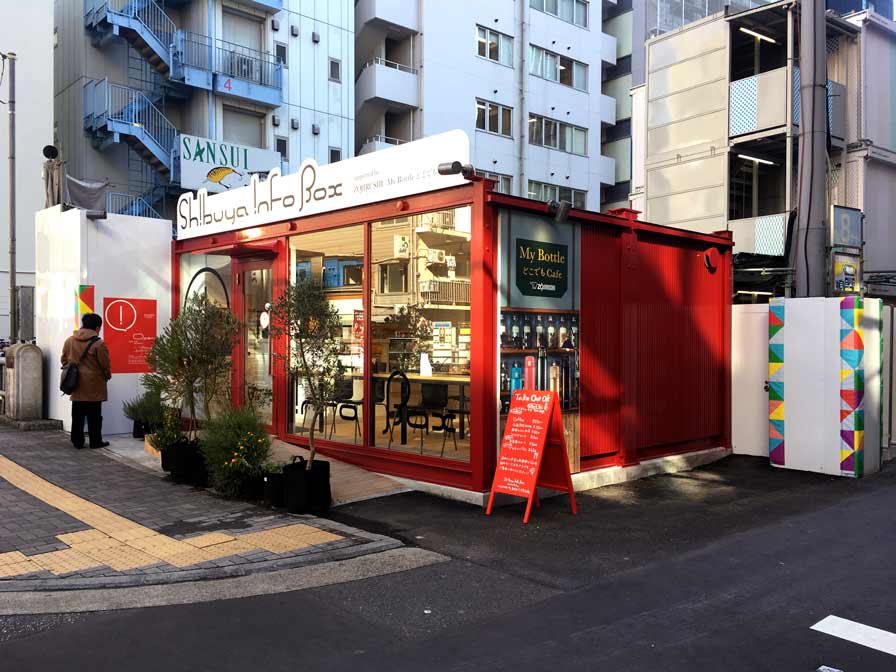 Shibuya info βox Supported by ZOJIRUSHI My Bottle, installed within the current Shibuya Stream development site (removed in July 2017)