
New places born from development: Shibuya River revitalization and Shibuya River Street [Part 1]
SCROLL DOWN
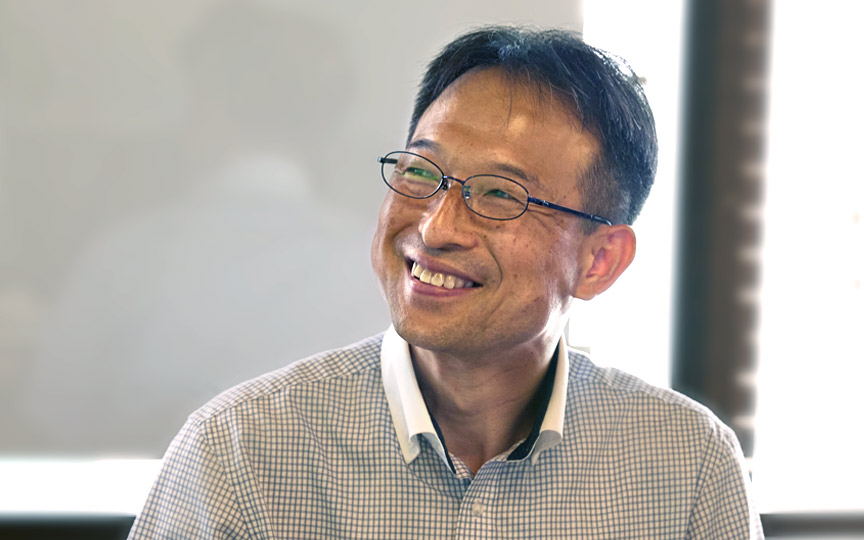
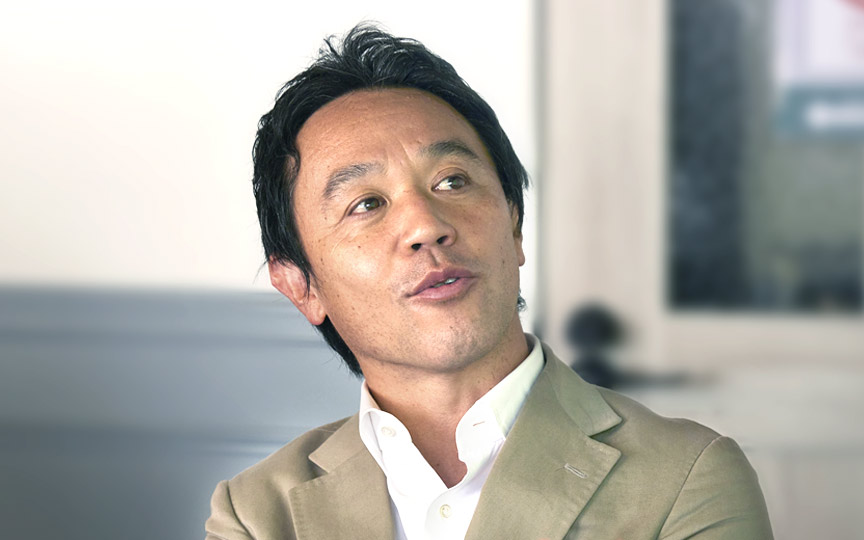
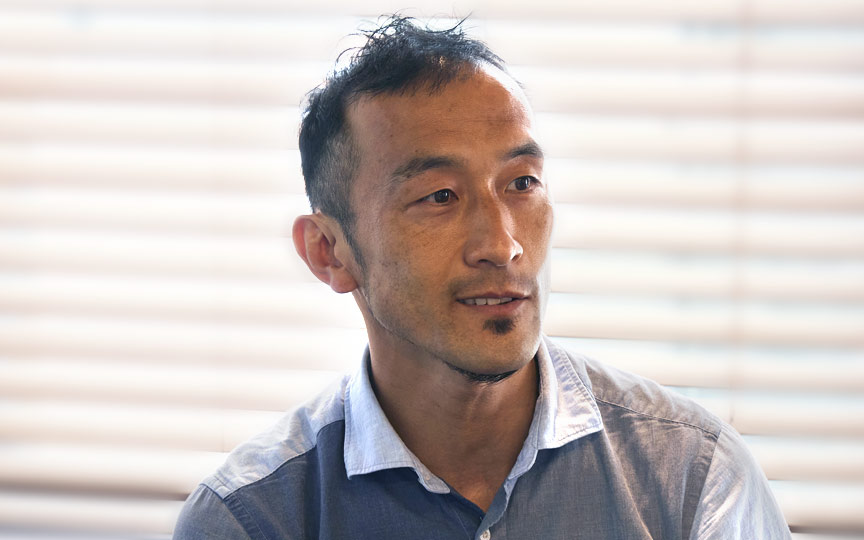
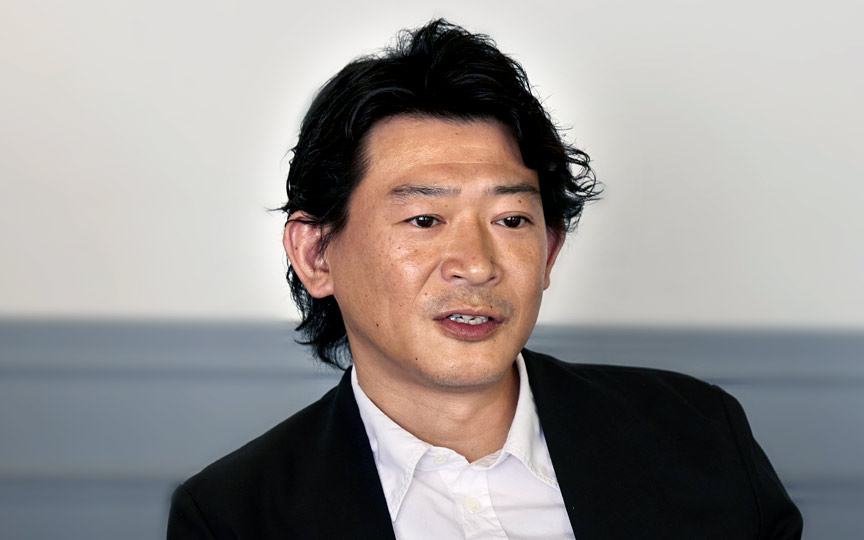
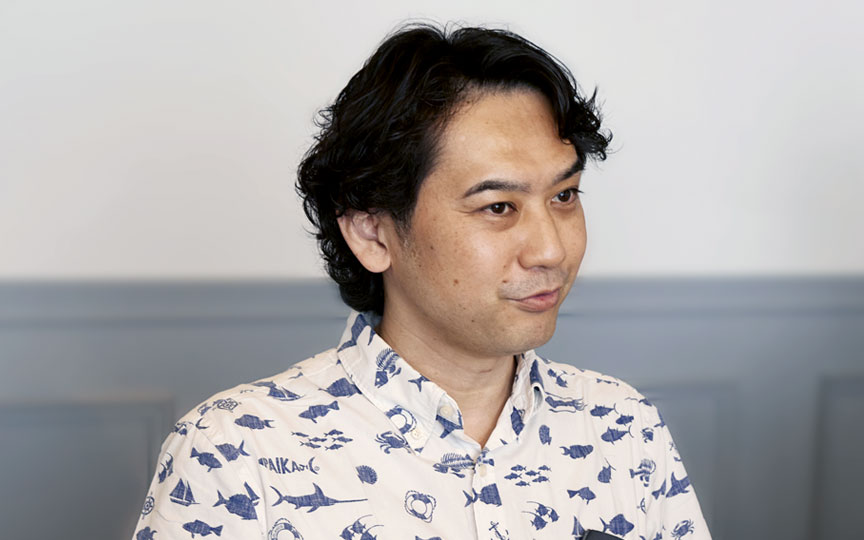
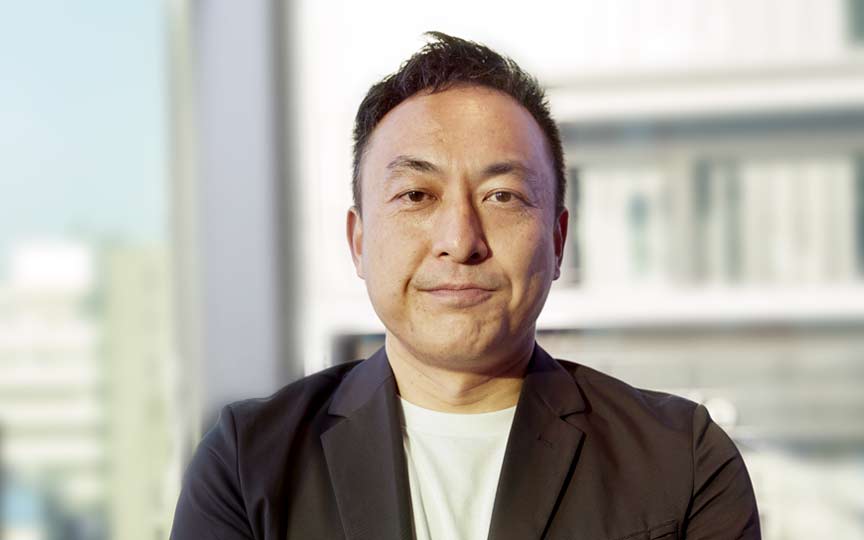
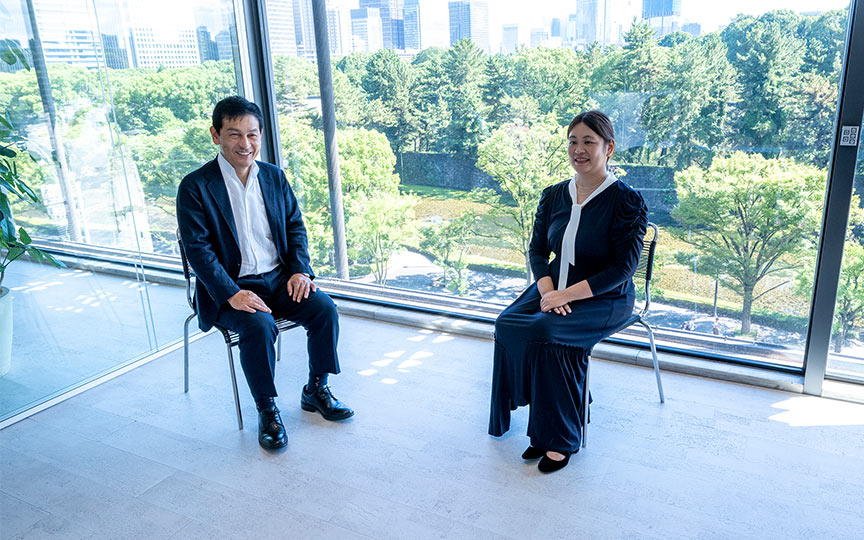
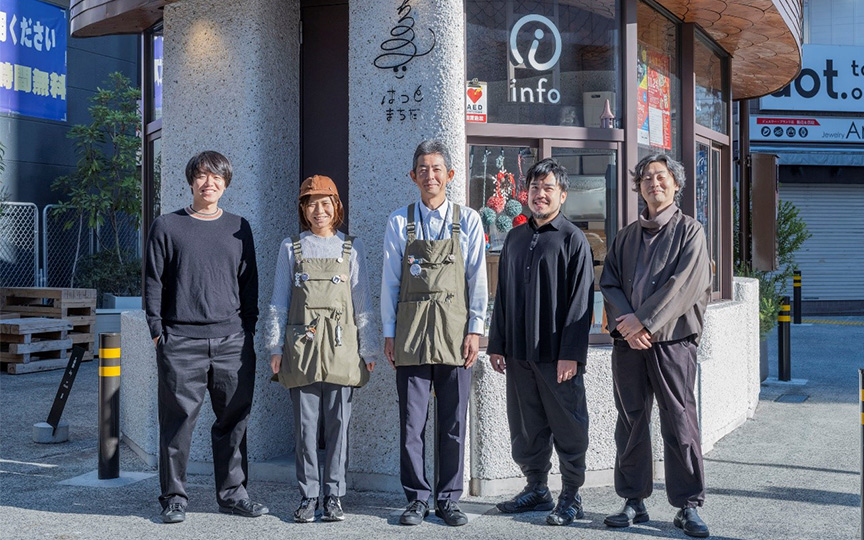
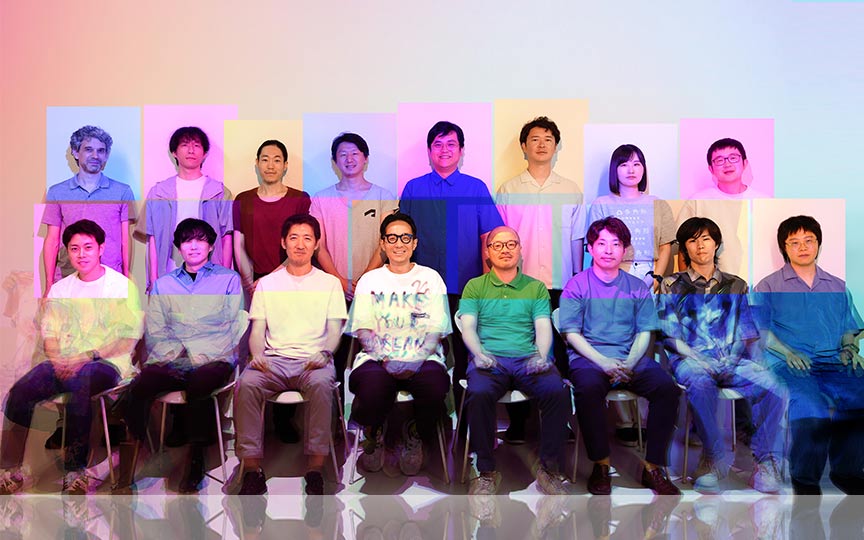
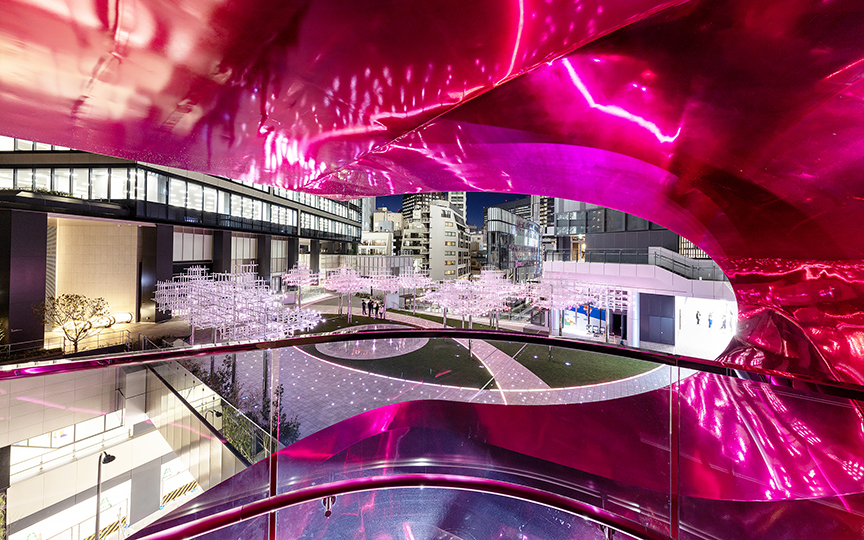
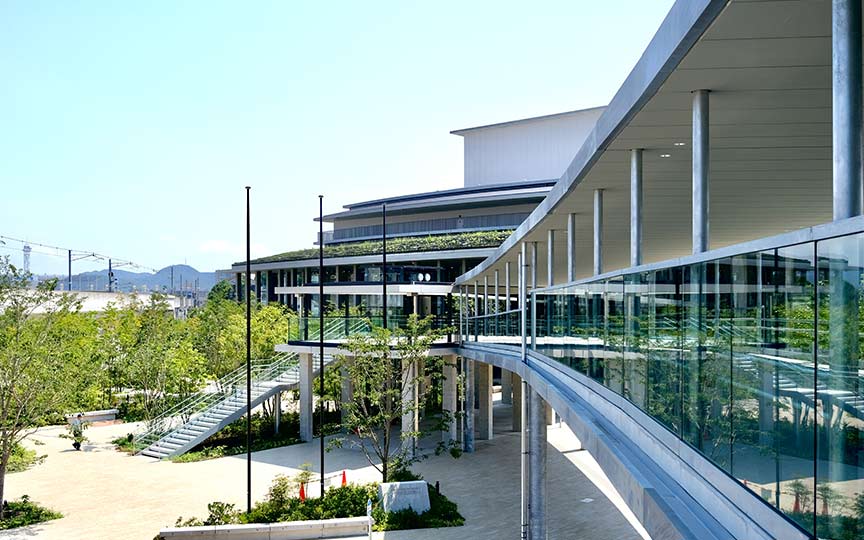
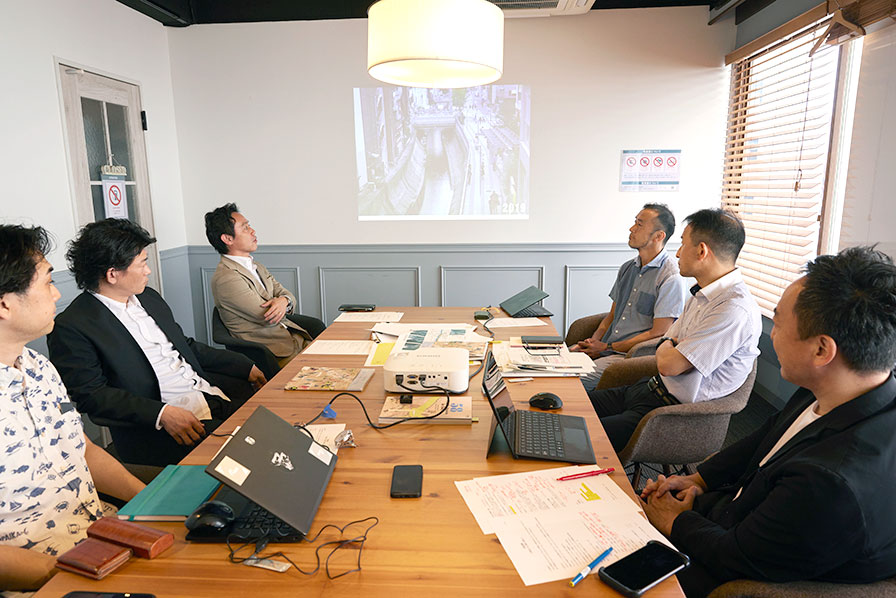
Shibuya Stream, which opened in September 2018 as the first major project in the redevelopment of the Shibuya Station central district, was built on the site of the former Shibuya Station platforms and tracks of the Tokyu Toyoko Line. The central theme of this development was the revitalization of the Shibuya River, which flows alongside the site.Through this public-private partnership revitalization project, the river was restored to its former clarity, and the riverside area was transformed into “Shibuya River Street,” featuring two plazas suspended above the river. The participants in this discussion are Kazuhiro Okuno of the Community Development Promotion Section, Urban Development Department, Shibuya City—who was involved in the operations of the Shibuya River Environmental Improvement Council—Director, andMr. Narutada Otake and Mr. Yuki Yoshizawa from Tokyu Corporation, which handles the development and operation of Shibuya Stream; and Mr. Keiki Yasuda and Mr. Takayuki Sakamoto from Nikken Sekkei Emotion Scape Lab, who were involved from the conceptual stage and designed Shibuya River Street.How did this approximately 600-meter-long promenade connecting Shibuya to Daikanyama come to be? We also discussed the various activities that have emerged since its opening, as well as the future of the Shibuya South area. The facilitator was Taro Fukuda of Nikken Sekkei’s Urban Development Department.



A project in which many people were involved and poured their hearts and souls into it.
Okuno: I have been involved in the redevelopment of the area around Shibuya Station since around the time the “Shibuya Station Central District Urban Development Guidelines 2010” were established. At that time, I was a section chief in the Shibuya Ward Neighborhood Development Division, and I remember that discussions regarding the development of the Shibuya Station South Block and other projects were in full swing.I became involved in the management of the Shibuya River in 2016, around the time the Shibuya River Environmental Improvement Council for the Second Section was established.
Ohtake: Since 2011, I have been in charge of promoting a development project that utilizes the former Shibuya Station platforms and the site of the former tracks on the Tokyu Toyoko Line.The completed Shibuya Stream was a joint venture carried out in collaboration with adjacent landowners, and we proceeded with the project with the proposal for a Special Urban Regeneration District in mind. From the initial stages of the proposal—when we consulted with officials from the Tokyo Metropolitan Government and Shibuya Ward regarding the details of how to improve the Shibuya River as a form of public contribution—through to the project’s grand opening, I was involved in every step of the process.
Yoshizawa: I joined the project in October 2017, about a year before Shibuya Stream opened. Shibuya Hikarie Part of the reason I became involved as the person in charge was the ongoing process of exploring a framework for managing facilities across the board, including Shibuya Stream and Shibuya Cast. As for the Shibuya River, since the usage agreement with Shibuya Ward and the operational framework—which would cover everything up to day-to-day management—had not yet been finalized, I felt I had to pour my heart and soul into this project.
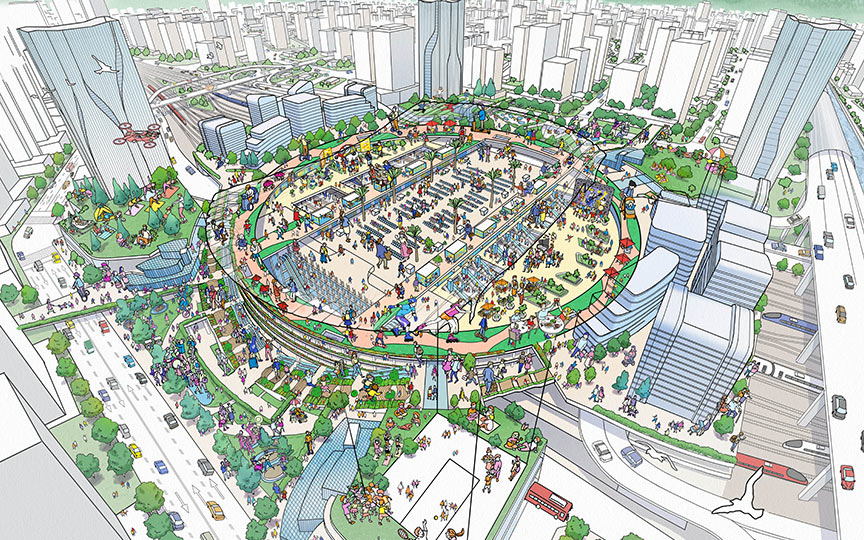
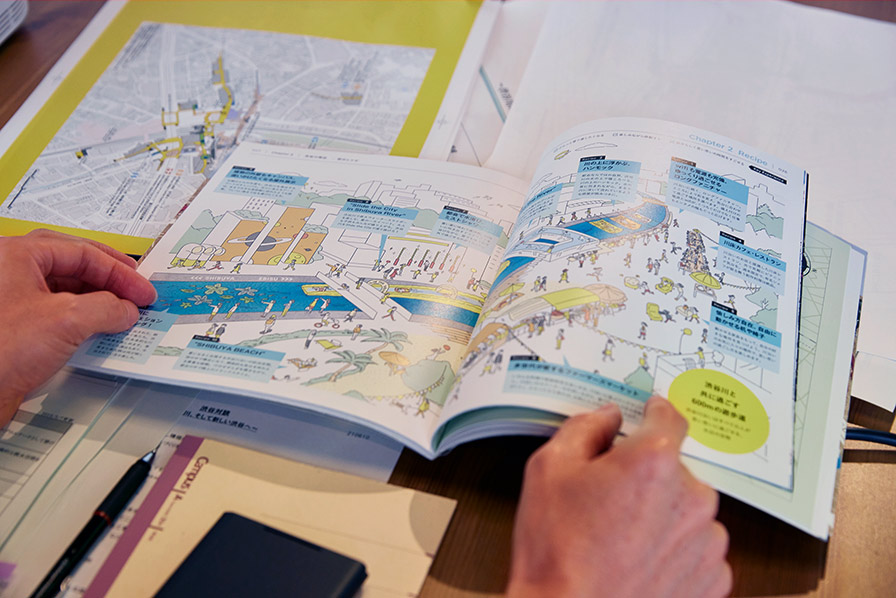
Yasuda: I worked with Mr. Otake on the urban planning proposal phase. After that, I stepped away from the project for a while, but then I collaborated with Tokyu Corporation to create a concept book outlining a plan for the entire area—one that explored how we could revitalize the Shibuya Station area.Rather than setting strict guidelines, it depicted the city’s narrative from a more flexible perspective—envisioning what kind of future we’d like to see—and we wanted to create something that would spark ideas for those who would eventually be in charge of operations.
Yasuda: As Mr. Yoshizawa said, a city won’t come to life unless we put our hearts into it, so how do we go about creating that?The approximately 600-meter stretch of the Shibuya River that’s being developed has quite an impact. What kind of “software”—the human elements—should be built on top of that? But for that “software” to function properly, the “hardware”—the physical infrastructure—is also crucial. That’s why, in the end, we were even discussing the design of the handrails (laughs). I never would have imagined that a project starting with urban planning would end up involving something as specific as handrails.
Sakamoto: I feel that this project allowed me to be part of a process that will transform the very nature of architecture. We don’t often have the opportunity to work on landscape projects like this at our firm, and having a river in a setting like Shibuya is quite rare in itself. Personally, I learned a great deal from this experience.
Fukuda: In that sense, it really was a long-term project. As consultants and designers, we’re usually involved in projects on a per-theme or per-phase basis, but being part of a project that lasted this long—and one in which so many different people came and went—was a truly valuable experience.
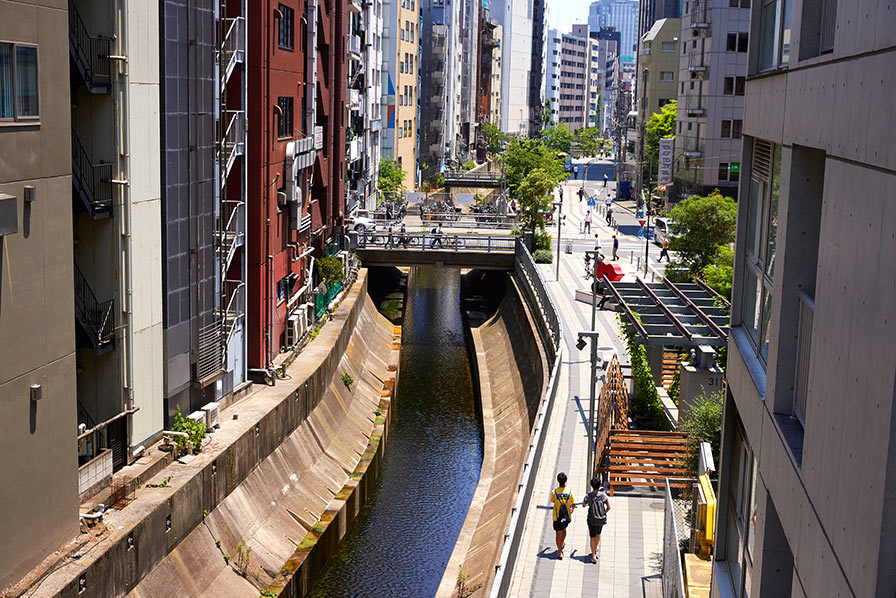
How can we revitalize the Shibuya River, which is both a treasure and a challenge for the region?
Ohtake: During the preliminary consultation phase for the Shibuya Stream special zone proposal, there was a discussion about the question, “What exactly is the ‘katsu’ in ‘katsu curry’?”—which was a key focus of the proposal.Given that the site is a linear stretch of land along the former Tokyu Toyoko Line tracks and runs alongside a river, our goal was, of course, the “revitalization of the Shibuya River.” At the time, the Shibuya River was in what was known as a “3K” state—smelly, dirty, and dark—and we began by identifying the resolution of these issues as our primary challenge.
Okuno: As for the buildings along the river, there were also issues with their aging condition and the lack of progress in seismic retrofitting. From the government’s perspective, we hoped that this development would serve as a catalyst for significant change in the city.
Ohtake: While there were once opinions suggesting that it might be better to convert the entire river into a covered channel, we instead held repeated discussions focused on how to help people connect with the river.
Fukuda: At first, the general public wasn't even aware that the river existed, was it?
Okuno: Whenever we hold discussion sessions or workshops in the local community and ask, “What are the treasures of this area?” the name “Shibuya River” always comes up. On the other hand, when we ask, “What are the challenges facing this area?” the Shibuya River always comes up there, too (laughs).
Ohtake: When proposing the special zone for this development, we highlighted three key concepts aimed at revitalizing the river. The first was the idea of creating a plaza, made possible by the recent revision of the riverbed occupancy permit guidelines, which allowed facilities designed to enhance urban vitality to be built within the river area.Second, “Revitalized Clear Water.” At the time, the Tokyo Metropolitan Government was already discharging highly treated water near Namiki Bridge, so we planned to extend this upstream and circulate the water using a “wall fountain” system.
Fukuda: Come to think of it, there really wasn’t much water flowing back then. We wanted to find a way to get water flowing there, so we worked very closely on the technical aspects, didn’t we?
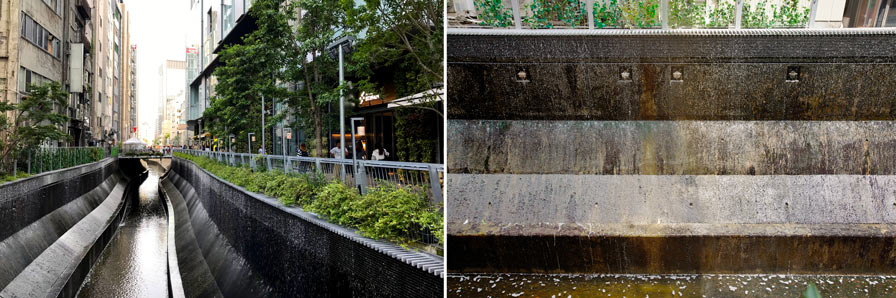
Okuno: From an administrative standpoint, having a river flowing through the heart of the city is a valuable resource. Furthermore, the Kinō Hachiman Shrine is right nearby. Having both a river and a shrine in the area means it is a place blessed with valuable resources for the community. However, there were issues such as low water flow and odor problems, so naturally, we wanted to address those concerns.
Yasuda: In planning this project, we made adjustments while taking history into account. The Shibuya River served as the inspiration for the children’s song “Spring Brook”; in the past, people used to do their laundry here, and it was also used as a source of water for daily life by local residents. In that sense, I thought this might be a slightly more tranquil area—unlike, for example, the hustle and bustle of people rushing back and forth around the Scramble Crossing.It’s the “Ke” part, as opposed to “Hare.” It stands in contrast to the preconception that streets must be shiny and paved and constantly bustling. You could say it’s a scene that urban development rarely aims to create.
Fukuda: What specific feedback did you receive from local residents?
Ohtake: As mentioned earlier, the Shibuya River is both a treasure and a challenge. While there were various opinions, I believe everyone shared the common goal of improving the Shibuya River.Since this was one of the first projects following the revision of the Riverbank Occupancy Permit Guidelines, we also established the Shibuya River Environmental Improvement Council. I believe we’ve created a space that brings joy to local residents, incorporating various suggestions—such as planting Kawazu cherry trees along the riverbank.

Creating a sense of "casualness" through time and effort.
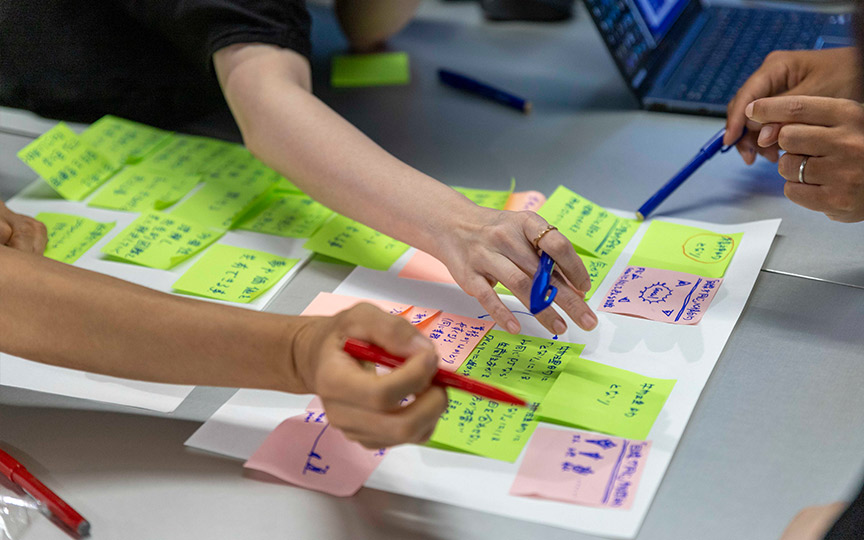
Sakamoto: The first thing we created was a scroll-like document about 6 meters long. Since the site is so long, we wanted to translate the experience of that continuous space into concrete scenes. After all, our role isn’t simply to decide on the finishes for the floors, walls, and ceilings and call it a day—it’s to create the mechanisms that inspire people to want to do certain things there and shape the experiences they’ll have.
Fukuda: While the architectural design for Shibuya Stream was handled by Tokyu Design Consultants and the design architecture by Coelacanth & Associates, I wonder if the coordination of the exterior and landscape elements—as well as the overall integration—was actually the key to this project.I believe the overall design along the Shibuya River is imbued with care and thought—down to even a single handrail. What are your thoughts on those details?
Yasuda: In terms of urban design, we wanted to preserve and enhance the memory of the river’s landscape as it flows in a linear fashion. To achieve this, we connected the pavement with striped slabs that meander along the riverbank, creating a finish that allows visitors to better experience the dynamic curves of the Shibuya River.We also paid close attention to the progression of the scenery throughout the design—for example, by dividing the route into sections so that the landscape changes slightly with each bridge, rather than having the same view stretch on for too long. It’s a subtle detail, but we’ve also designed the deck on the roadside of Shibuya Stream to jut out slightly.
Sakamoto: Thanks to that, I was able to create a small spot where you can look down on the river. I didn't go out of my way to explain it, but from there, you can also see Shibuya Scramble Square the First Phase (East Tower) across the river.
Okuno: Actually, that’s exactly where the boundary between the public and private sectors lies. But when you’re there in person, you wouldn’t notice it at all—which is truly groundbreaking.
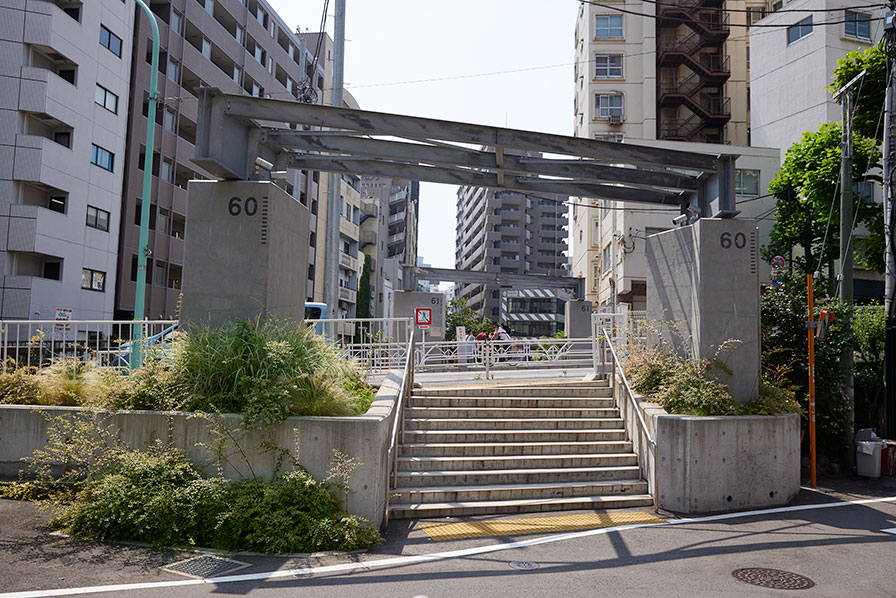
Sakamoto: I also thought the idea of preserving the pillar numbers on the Tokyu Toyoko Line elevated bridge was very interesting. I think it was an important element in the sense that it allowed us to preserve fragments of memory.
Yasuda: It was great that the site wasn’t just left as an archaeological ruin, but was instead put to use as a new gathering place. We know there used to be a railroad track running right there, but younger people might not even think about that. In a way that’s different from mere nostalgia, I feel like we’ve managed to leave an important mark on the place.